Leading Thought,
Empowering Communities,
Driving Change.
Leading Thought,
Empowering Communities,
Driving Change.
Championing Rights, Equality and Cohesion.
We Are MLegal
We champion civil liberties and human rights through legal reform, policy engagement, and public advocacy.

MLegal is a UK based non-profit organisation that defends and advances the rights of marginalised
communities. Through community engagement, legal and policy research and targeted advocacy, we address stereotyped narratives, challenge structural inequalities and strengthen protections for those most affected by discrimination and hate crime.
Our focus is human rights, equality and community cohesion. We pay particular attention to how
public policy and civil, criminal and administrative law, and the way they are applied and
implemented, affect Muslim and other racialised communities in the UK.
Our team brings together academics, legal and policy experts, human rights practitioners and
community leaders. Working with civil society organisations, policymakers and community groups,
we make sure the voices, experiences and rights of marginalised communities are reflected in public
debate, policy and law.
Our Values
At MLegal, our mission is to protect and advance the rights of marginalised communities in the UK through focused policy work, legal advocacy, and strategic engagement. We are committed to:
Equality
Ensuring that marginalised communities are treated fairly and are free from all forms of discrimination.
Freedom of Expression
Defending the right to express beliefs, identity, and opinions without fear or repression.
Human Rights
Upholding the fundamental rights and civil liberties that are essential to a just and democratic society.
Justice & Accountability
Challenging policies and practices that marginalise or criminalise communities, and demanding transparency from institutions.
Inclusion
Promoting a society where marginalised communities are fully included, valued, and empowered.
Equality
Freedom of Expression
Human Rights
Justice & Accountability
Inclusion
Human Rights & Freedoms
We uphold and seek to advance the human rights and freedoms of all communities and citizens.
Equality & Personal Security
We seek to challenge discrimination and hostility, and promote fairness and security for all communities and citizens.
Community Inclusion & Cohesion
We work with communities to strengthen inclusion, participation and social cohesion.
Human Rights & Freedoms
Equality & Personal Security
Community Inclusion & Cohesion
We work to address the systemic and institutional barriers that disproportionately impact marginalised communities, and we advocate for laws and policies that reflect fairness, dignity, and equal protection for all. We also collaborate with civil society groups, legal experts, and community organisations to build coordinated efforts toward systemic change.
Our Five Themes
Our work is organised around five interconnected themes. Together, these themes allow us to examine how prejudice develops and manifests, how it becomes embedded within institutions and society, and how law and policy can better protect against such prejudice, discrimination and hostility.
1. Islamophobia
We examine the similarities of Islamophobia with other forms of bigotry, and thus also how the response to it may be aligned with them. We also examine the legal, social and policy dimensions of Islamophobia, including efforts to improve recognition, understanding and protection against anti-Muslim discrimination and prejudice.
2. Othering
We study how othering manifests in everyday life; how it develops from lazy stereotypes to prejudice and then to public narratives; and how it may be addressed through education, awareness raising, training and public campaigns, and government and administrative initiatives.
3. Discrimination & Equalities
We analyse discrimination and barriers to equal participation in public life, advocating for policy and law that promote equal treatment, opportunity and outcome.
4. Public Order, Hate Crime & Policing
We examine public order and hate crime legislation, and policing practices in the selective prosecution of hate crimes and civil liberties, with particular attention to freedom of assembly and expression.
5. Counter-Extremism, Counter-Terrorism & Social Cohesion
We analyse counter-extremism and counter-terrorism policies and practices, and their impact on human rights, equality and community relations. Our work considers how such policies are developed, implemented and experienced by affected communities, and how they may be improved to reduce extremism and terrorism and strengthen community cohesion.
Our Approach
Our work is guided by four interconnected principles:
Thought Leadership Through Rigorous Research
We produce independent, evidence-based legal and policy research that considers both the legal framework and the realities of how law and policy operate in practice.
Effective Advocacy Through Campaigning, Alliance Building and Lobbying
We work with partners and decision-makers to turn evidence into changes in policy and law.
Empowering The Community Through Awareness Raising, Consultation and Capacity Building
Our work begins with communities. We believe communities should be partners throughout the policy process, not simply consultees at the end.
Talent Development Through an Associate Programme for Young Leaders Aspiring to a Career in Public Policy Work
We create opportunities for young people and emerging professionals to develop their skills and contribute to our work.
Our Work and Products
We turn research, evidence and community insight into:
Blog and Thought Leadership Articles
Commentary on current developments and new ideas for reform.
Research Reports and Policy Briefings
Independent, evidence-based analysis of law and policy, with recommendations for reform.
Community Briefings and Consultation Reports
Plain-language guides for communities, and findings from our engagement with them.
Training, Advisory Work and Consultation Responses
Workshops and advice for organisations and public bodies, and responses to government consultations.
Associate Programme
Skills and experience for young people pursuing a career in public policy.
Latest Blogs
Our blog provides reflections on legal, policy and social developments affecting marginalised communities in the UK. Drawing on our research, engagement and advocacy work, we examine current issues, emerging debates and developments across our five themes. Through timely and accessible content, we aim to promote greater understanding of the challenges these communities face and contribute to informed public discussion.
#Equality#Inclusion
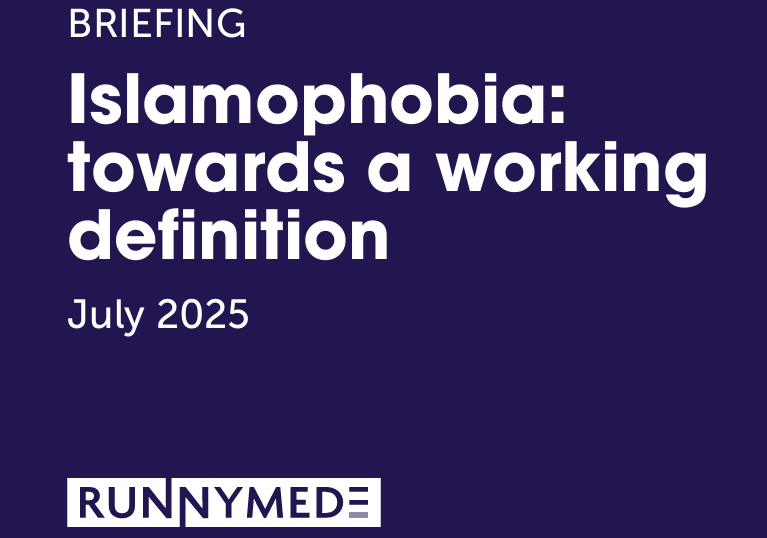
Earlier this year, MLegal proudly funded the Runnymede Trust’s report Islamophobia: Towards a Working Definition. In the report, the Runnymede Trust explains: “Over the past two decades, our understanding of Islamophobia has evolved significantly. Islamophobia is more than just an irrational fear or hostility towards Islam, as it was initially described in early definitions of the term. It is now widely recognised as a form of racism towards Muslims that is deeply embedded in societal structures and systems of power. Reflecting on the current context, it is clear that Islamophobia extends beyond overt acts of discrimination or hate crimes. It is institutional, systemic, and often instrumentalised through policy and legislation.” Building on these insights, we see that Islamophobia can sometimes appear as purely religious or purely racial bigotry. However, in most cases- shaped by colonial legacies and reinforced by media narratives, counter-terrorism frameworks, and institutional practices- it is experienced as a complex intersection of both. For instance, people with Muslim-sounding names are less likely to be offered job interviews, and Sikhs are often attacked in the streets as “Muslims” despite not being of the Islamic faith. In other words, individuals are targeted based on their perceived or visible Muslimness, not necessarily their belief in or practice of Islam. This intersectional form of discrimination causes significant harm – through profiling, barriers to education and employment, restricted access to services, and exclusion from full civic participation. Recognising Islamophobia as a form of racism also ensures legal and policy coherence and consistency with other forms of racialised religious bigotry. This important publication provides a timely and robust framework for understanding Islamophobia and shaping more effective responses across government, civil society, and public institutions. Read the full Runnymede Trust briefing here.
#Equality
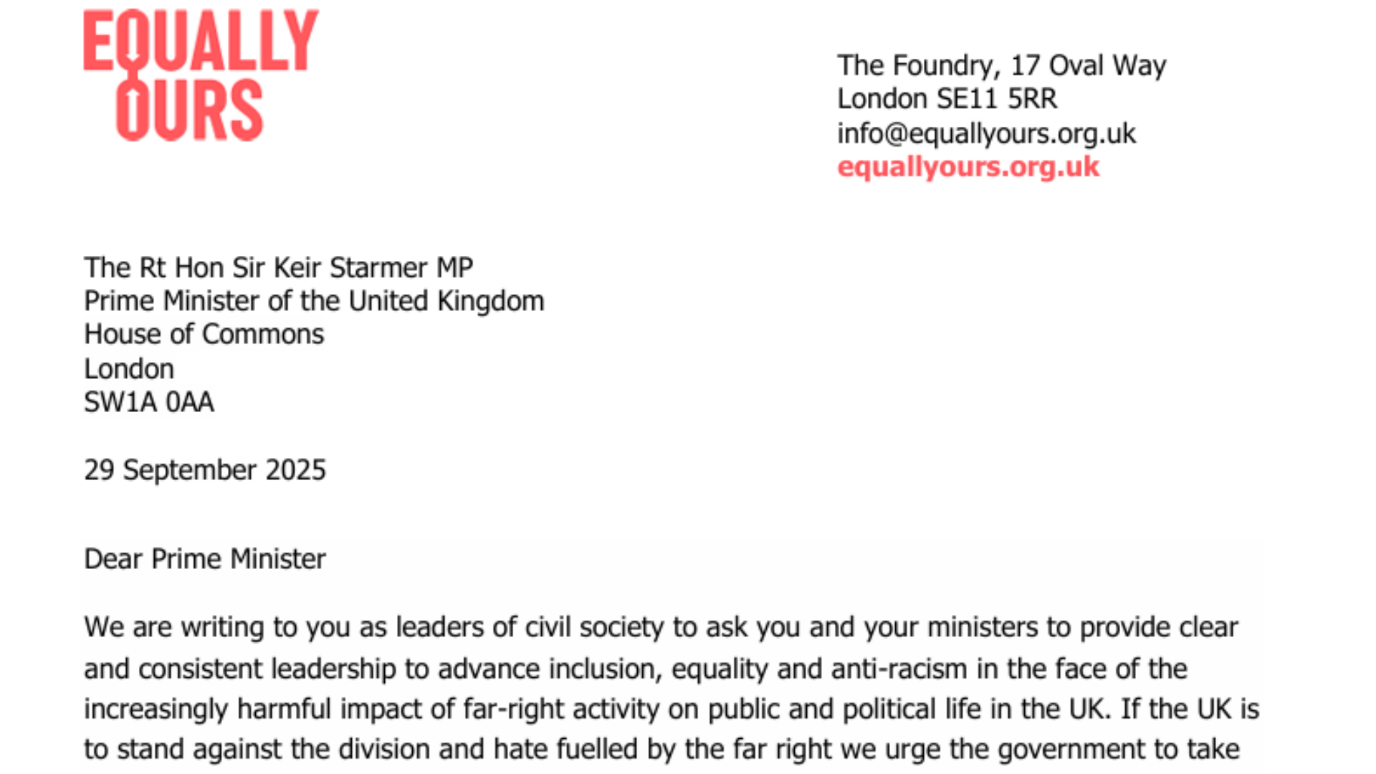
MLegal is proud to stand alongside Equally Ours and over 160 civil society organisations in urging the Prime Minister and his Cabinet to demonstrate consistent and principled leadership in advancing anti-racism, inclusion, and equality across the UK. This collective call comes at a time of deep concern following the recent rise in far-right violence and the devastating antisemitic attack at Heaton Park Synagogue. These events are stark reminders that hatred directed at any community threatens the safety and cohesion of all.
#Equality
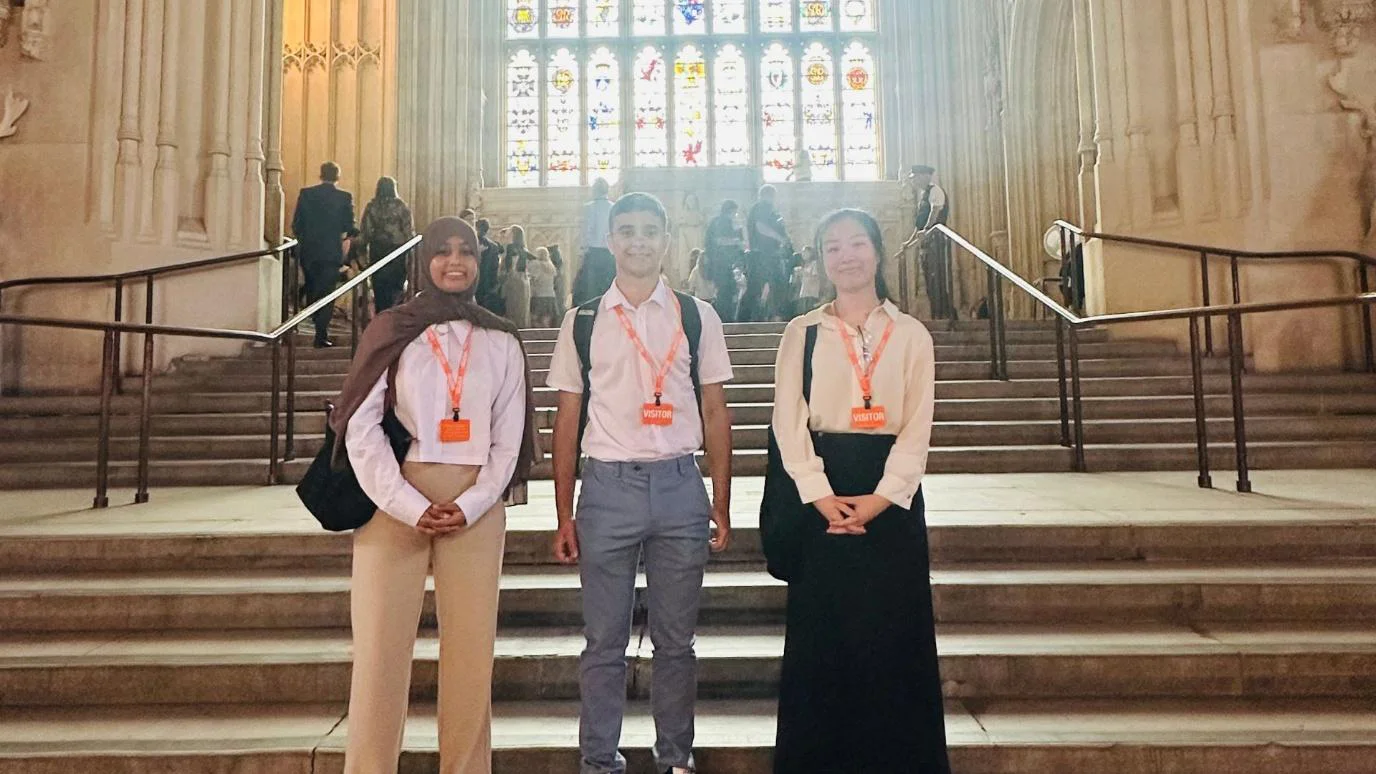
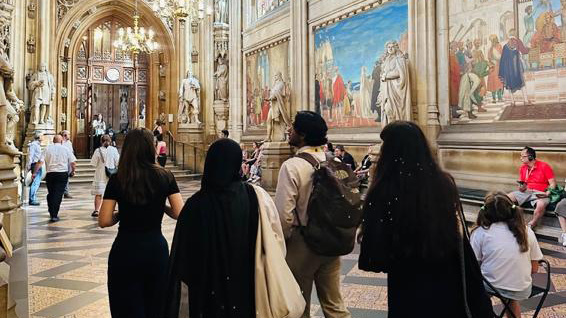
Earlier this year, MLegal proudly facilitated an inspiring visit to the UK Parliament for a group of young people, including our intern Shijing from Queen Mary University of London and work experience candidate Mathew. The visit provided participants with a unique opportunity to deepen their understanding of how Parliament operates and to engage directly with staff working for senior political figures such as Rachel Reeves and Afzal Khan MP. The day offered valuable insight into the journeys of those who have built careers within Parliament and the wider policymaking arena. Participants learned about the different pathways into political roles, the functions of the House of Commons and House of Lords, and the importance of legal and policy expertise in shaping national debates.
#Equality
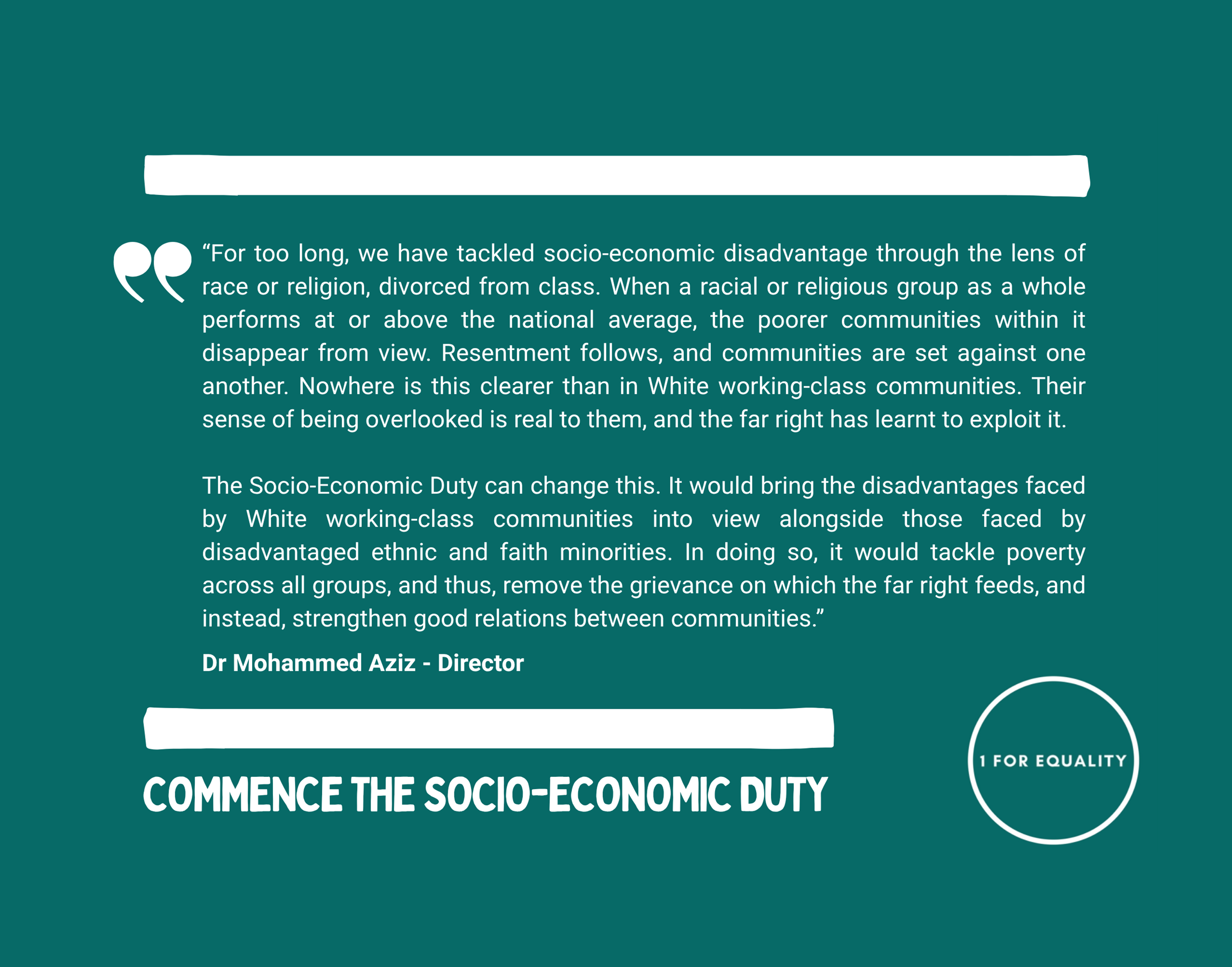
Dr Mohammed Aziz, Director, MLegal The far right is on the rise and racial and religious polarisation in our communities is deepening. Part of the explanation for this lies in how this country has approached issues of poverty and disadvantage over the years. This Challenge Poverty Week, I argue that we cannot reduce poverty, or heal these divisions, while race and class are treated as separate, discrete questions. I have worked on equality and community cohesion for more than 30 years, including as a Commissioner at the Commission for Racial Equality and as a senior adviser to government on race, faith and integration. Throughout that time, I have consistently argued for stronger protections for racial and religious minorities, particularly where race and religion are conflated, and I still do. But I have also seen how equality policy that addresses race and religion without addressing socio-economic class has overlooked some disadvantaged communities and left them pitted against others. The Socio-Economic Duty in section 1 of the Equality Act 2010, which has lain unused in England since it was passed, offers a way to change that. The scale of the challenge is stark. A record 7.4 million low-income families cannot afford essential items, the highest figure since tracking began in 2021 (Joseph Rowntree Foundation, 2026) and around 80% of people think the gap between those on high and low incomes is too large (Institute for Fiscal Studies, 2026). Race And Religion Divorced From Class For too long, we have tackled socio-economic disadvantage through the lens of race or religion, divorced from class. Yet the public understands that class still shapes lives: 77% say social class affects a person’s opportunities a great deal or quite a lot, up from 70% in 1983 (British Social Attitudes, 2023). The problem lies behind what averages hide. When a racial or religious group as a whole performs at or above the national average, the poorer communities within it disappear from view. A struggling White working-class estate, or a low-income community within an ethnic or faith group that appears to be doing well overall, can fall straight through the gaps. The people living in those communities notice. They see support and attention going elsewhere and conclude, understandably, that the system is not built to ‘see’ or support them. Resentment follows, and communities are set against one another. The Grievance Feeding The Far Right Nowhere is this clearer than in White working-class communities. Their sense of being overlooked is real to them, and the far right has learnt to exploit it, telling them that their hardships are the fault of neighbours of a different colour or faith. The consequences are visible on our streets. Racial and religious polarisation has risen sharply in recent years, as the far-right rallies in London in September 2025 and May 2026 made plain. Muslim communities, many of whom face deep poverty themselves, have borne the brunt of that hostility. The tragedy is that the communities being set against each other often have more in common than what divides them: insecure work, poor housing, struggling schools and poor health. As long as our equality framework treats racial and religious groups as socio-economically uniform blocks, and says nothing about class, the disadvantaged within them will remain unrecognised and unaddressed. That silence hands extremists a ready-made grievance. The Socio-Economic Duty: A Tool For Common Cause The Socio-Economic Duty can change this. Section 1 of the Equality Act 2010 requires public bodies, when making strategic decisions, to have due regard to reducing the inequalities of outcome that result from socio-economic disadvantage. Put simply, councils, development agencies, education authorities, health bodies and government departments would have to ask how their decisions affect people on low incomes and in deprived areas, whoever they are, whatever their colour, and whichever their faith. That is what makes the duty a tool for common cause. It would bring the disadvantages faced by White working-class communities into view alongside those faced by disadvantaged ethnic and faith minorities. In doing so, it would tackle poverty across all groups, and thus, remove the grievance on which the far right feeds, and instead, strengthen good relations between communities. It does not replace protections against racial or religious discrimination; it complements and reinforces them. Parliament passed the duty in 2010, yet it has never been brought into force in England, although Scotland and Wales have both commenced it, in 2018 and 2021 respectively. Evaluations in both regions by the Equality and Human Rights Commission point to its potential to improve outcomes for White and ethnic minority working-class communities alike. The Government committed in 2024 to commencing the duty in England, has gathered evidence on how to implement it and, last month, named it an early priority for its new Class Unit. I warmly welcome that commitment. What England needs now is a date. The Ground Is Ready Across England, many councils have not waited for national action to take the initiative. Research by Resolve Poverty found that 10% of councils have formally adopted the duty voluntarily, and a further 51% work in its spirit, usually by building socio-economic disadvantage into their equality impact assessments (Resolve Poverty). These councils show what is possible, and their experience should shape how the duty is rolled out nationally. The public is ready too. More than half of people (56%) want the government to activate the duty, with just 6% opposed (Compassion in Politics poll by Opinium, 2020). Some 53% now agree that the government should definitely reduce income differences between those on high and low incomes, up from 25% in 2006 (British Social Attitudes, 2023). And 78% agree the government should be reducing child poverty, a majority in every age group and among voters of every party (Save the Children UK and YouGov, 2026). Those who claim there is no appetite for this duty are simply wrong and out of step with public opinion. Duty Done Properly, Not As A Tick Box A duty that exists only on paper will not deliver. To reach the communities I have described, it must be implemented with genuine intent, adequate resources and sustained effort. MLegal is proud to be part of 1forEquality, the coalition campaigning for the duty’s meaningful implementation, and we share its priorities: Leadership and participation. Senior leaders must own the duty. People with lived experience of disadvantage should help shape it as co-creators, not “case studies”, and their involvement should be paid and properly acknowledged. Evidence, not tick boxes. Impact assessments must be rigorous, draw on the best available data, including data held by civil society, and capture cumulative and intersectional effects over time. Outcomes, not processes. Measurable national and local targets should be set in housing, health, education, employment and criminal justice. Guidance and support. Strong statutory guidance, a central support hub like the one piloted in Scotland, and partnerships with civil society should underpin implementation. Wider scope. The list of public bodies covered by section 1(3) should be updated to at least match those in Scotland and Wales. Commencement and futureproofing. A firm commencement date should be set by Commencement Order, and the duty protected from political rollback by a principle of non-regression. Section 1(6), which excludes people subject to immigration control, should not be commenced: it would be impractical, would conflict with the Public Sector Equality Duty and human rights law, and could expose authorities to judicial review. If it is commenced, guidance should make clear that excluding these people is neither required nor practical. Done well, the duty would also help the UK meet the Sustainable Development Goals on ending poverty, reducing inequalities and building peaceful, inclusive societies. Our Call At MLegal This Challenge Poverty Week The Socio-Economic Duty is already law, and the Government has, in principle, committed to commencing it. What is still missing is a date and an implementation plan that ensures the duty reaches disadvantaged communities of every background, including those hidden within group averages. We therefore call on: The Government to turn its commitment into action by announcing a timetable for commencing section 1 in England, and to protect the duty from future rollback. Public bodies to implement the duty under strong statutory guidance that requires them to look beneath group averages so that disadvantaged sub-groups within every racial and religious group, including White working-class communities, are no longer overlooked. The duty should work alongside the Public Sector Equality Duty, so that race, religion and class are addressed together rather than in isolation. MPs of every party, and backbenchers in particular, to champion the duty as a means of both tackling poverty and strengthening relations between communities. Poverty touches every constituency. Colleagues across civil society to make the positive case with us, and to challenge the misleading claims made against the duty. We will not defeat poverty and social division by setting communities against each other over who is the most disadvantaged. We will defeat them by recognising disadvantage wherever it falls and acting on it together. The Socio-Economic Duty gives us the means to do that. It is time England applied it. #ChallengePovertyWeek #1forEquality #SocioEconomicDuty
#Inclusion#Freedom of Expression
By Rawan El-Itani, Iman Jaura and Shuaib Amin As Graduate Associates at MLegal, we have spent the year discussing, researching and presenting on policy issues affecting Muslim and marginalised communities. Last month, we had the opportunity to join the team and shadow them for the day, an experience that gave us a rich insight into how policy is actually made. Where Ideas Take Shape The day began with a lunch meeting where the MLegal team presented their research and work on Islamophobia and antisemitism, joined by representatives from civil society organisations working on the same issues. For Rawan, the session was notable above all for what it modelled: “Muslim and Jewish colleagues come together to advocate for the protection of minorities and challenge discrimination.” We then sat in on a conversation between MLegal and those civil society organisations, an experience that gave us a rare view into how ideas move from grassroots concern to policy recommendation. Iman found it invaluable simply to observe the process, describing it as “fascinating to hear… about their work on Islamophobia, antisemitism and the varying forms of racial abuse.” As an aspiring policy professional, she was struck by “the practicalities and limitations of policy work,” particularly how long it can take for ideas to reach the table and be carried forward, tempered by “the importance of and the promotion of equality and justice.” Shuaib came away with a similar but more structural insight, into how different forms of discrimination intersect in practice. Tackling Islamophobia, he noted, is rarely argued on the grounds of belief alone. It is often framed alongside gender inequality too, given the disproportionate impact on Muslim women whose identity is visibly marked. Antisemitism, he observed, carries a comparable but distinct dimension, where race compounds the recent rise in anti-Jewish hate crime. The result, in his words, reshaped how he saw the wider landscape: “What I initially believed to be a divided battle over who gets to be in the current policymaking limelight is more like a united front, where the strength of recommendations lies in their unity rather than in their individual political dynamics.” Building bridges between communities, he added, is “not only a grassroots social strategy but also a legal method that enabled each group to gain greater political representation without diluting their individual identities.” Reflecting On Our Own Progress Later, we met with Diana and Dr Aziz to reflect on our progress as Graduate Associates. It was a chance to share our own thinking as much as to absorb others’. Rawan valued the space to “share my thoughts, feel heard and gain a better understanding of the process of developing effective policy,” and singled out Dr Aziz’s framework of six steps for achieving a policy goal as a genuinely practical tool for thinking through how change gets made. Parliament, Past And Present We closed the day with an informal meeting with a member of MP Fabian Hamilton’s team, who gave us a tour of Parliament and spoke about the different career pathways into working there. Iman appreciated the layered perspective this gave the day, moving from a conversation about the link between policy and legislation with civil society groups to seeing where legislative change is actually implemented. She also came away with a clearer sense of “how legislation comes to pass and how it is discussed and voted on in practice.” For Rawan, one moment stood out above the rest: learning about the small broom cupboard where suffragette Emily Wilding Davison hid overnight in 1911, using it as her address in an effort to establish a connection to the House of Commons and make a statement about women’s right to vote. Standing in that space, she said, was “a powerful reminder of the determination and sacrifices made by those who fought for political equality.” A Grateful Close Between contemporary efforts to tackle Islamophobia and antisemitism and a physical connection to the history of the suffrage movement, the day was, in Rawan’s words, “a powerful reminder that meaningful change is driven by people who are willing to speak up, advocate for others and take action.” Shuaib echoed this in describing why the Associates programme matters to his own development as an aspiring public lawyer, offering “fresh perspectives and in-depth analysis of the dynamics at play in developing policies.” We are grateful to MLegal, to Diana, to Dr Mohammed Aziz, to the civil society organisations who welcomed us into their conversations, and to one another, for a day that left us inspired, better informed and looking forward to what the rest of the programme has to teach us.
#Freedom of Expression#Inclusion
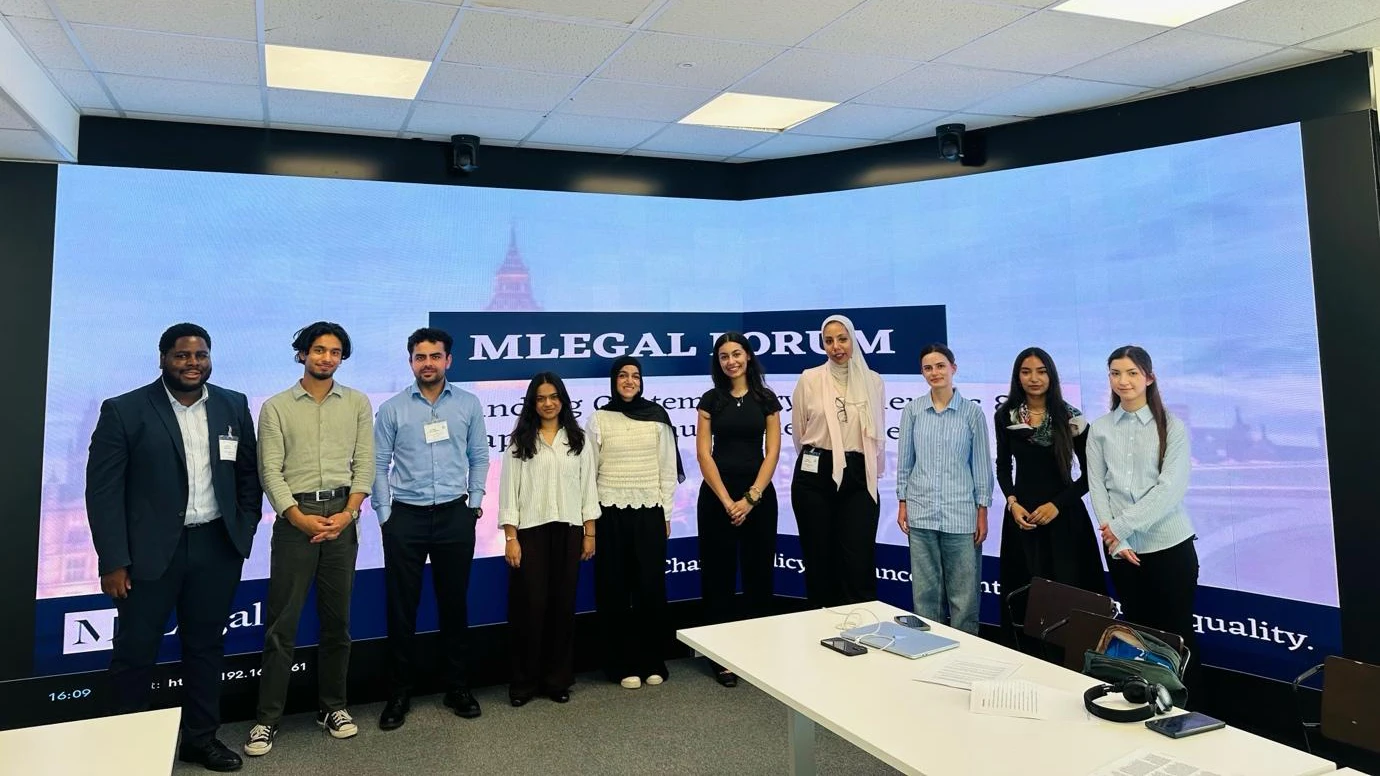
Over the past five weeks, my role as a Policy Research Intern at MLegal has given me exceptionally insightful experience and knowledge. I was shortlisted by the Queen Mary University of London careers team and selected by MLegal for this position. The internship has allowed me to deepen my understanding of the policy and legal landscape in the United Kingdom and beyond, combining rigorous research work with direct involvement in the advocacy and networking activities of a leading policy organisation. My role as an intern has involved researching prevalent social issues and the policies issued in response to them. I have completed six different research tasks, each of which continued to build on the previous skills and knowledge I gained. The research tasks have not only encouraged me to think critically about the policy concerns facing the UK’s diverse population today, but they have also repeatedly sparked my curiosity as I worked through and completed them. One of my favourite tasks was to produce a researched report on how and why the Human Rights Act’s Articles 9, 10, and 11 are currently under threat. Furthermore, the exposure to and engagement with a variety of policy institutions and individuals have provided me with valuable industry awareness. Some of the meetings I attended and took notes on were with the Green Party, the Avicenna Foundation, and the European Centre for Human Rights (ECHR). In addition, attending the MLegal Community Forum, where I was able to observe several presentations and the feedback they received from experts and consultants at MLegal, was a very insightful and helpful experience. All in all, my role as an intern has been thoroughly insightful, enjoyable, and thought-provoking. I have gained exceptional research and interpersonal skills, as well as a knowledgeable and informed perspective on policy. Thank you very much to Diana Hysenaj for providing me with excellent-quality tasks and guidance, and thank you very much to Dr Aziz for sharing his learnt policy perspective with me. Moving forward, I hope to continue gaining more experience and knowledge about legal processes from start to finish, from policy reasoning to making claims to consequential decisions and outcomes. Kinda Nashef
#Justice & Accountability
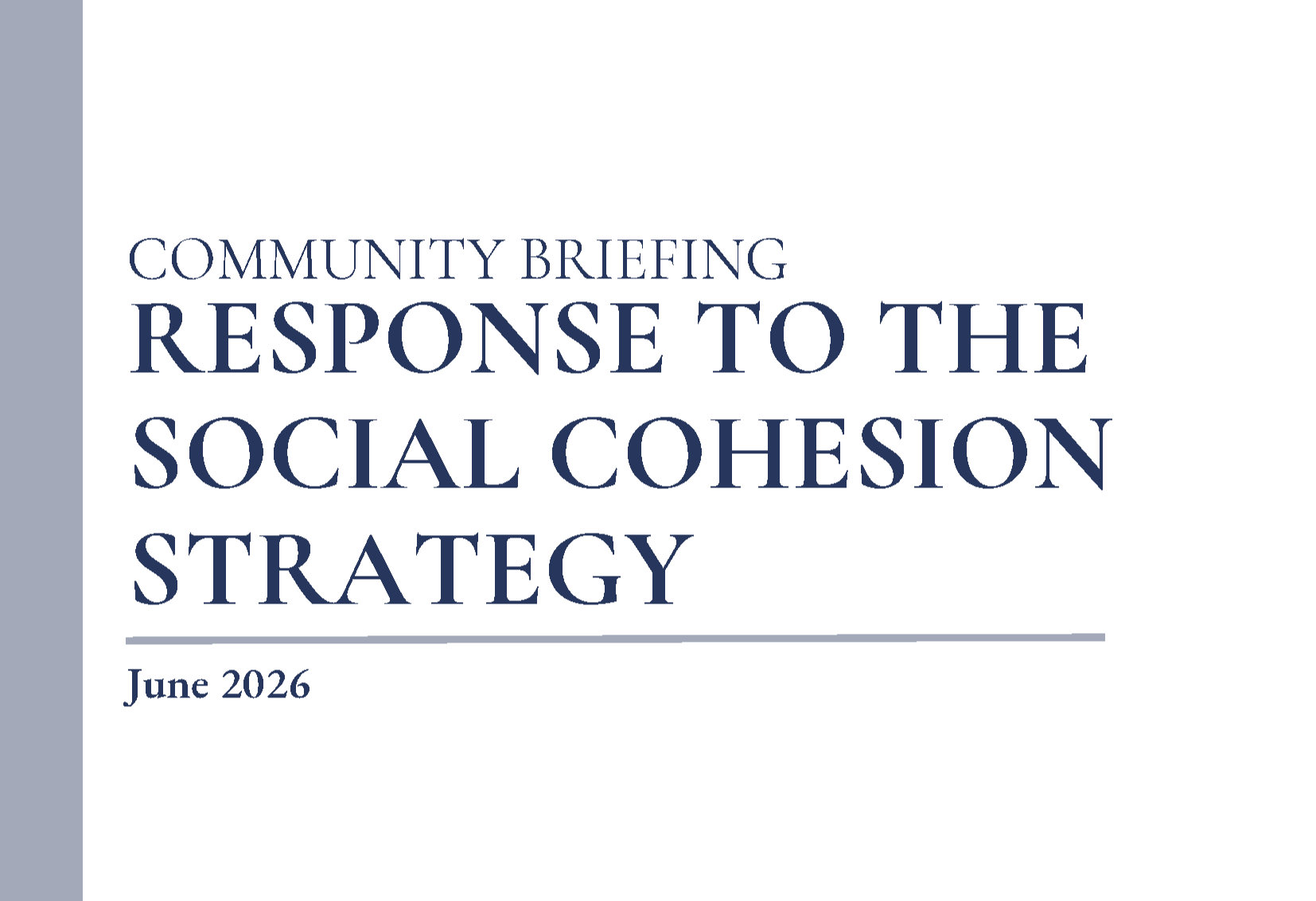
Understanding the Government’s Social Cohesion Strategy: MLegal’s Latest Community Briefing MLegal is pleased to publish one of its latest community briefing, Response to the Government’s Social Cohesion Strategy, providing an accessible analysis of the Government’s Protecting What Matters strategy and its implications for Muslim communities, civil society organisations, policymakers and other stakeholders. This briefing has been prepared by MLegal, drawing on discussions with civil society organisations, experts and academics working in this field. It explains the Government’s Social Cohesion Strategy, identifies key concerns for Muslim and marginalised communities, and supports communities to navigate the emerging policy landscape with confidence. Understanding the Government’s Strategy The Government’s Social Cohesion Strategy sets out a vision for strengthening belonging, resilience and participation across the UK. It includes commitments that many communities may welcome, including investment in local communities, youth provision, support for places of worship, action against anti-Muslim hate, employment initiatives and programmes intended to strengthen community cohesion. Alongside these proposals, the strategy introduces or reinforces measures connected to counter-extremism, Prevent, institutional oversight, regulatory powers and local risk assessment. As these policies are implemented across public institutions and local authorities, it is important that communities understand how they may affect civic participation, governance and community engagement. What the Briefing Covers The briefing provides a detailed examination of the strategy, including: The relationship between social cohesion, counter-extremism and national security policy; The implications of the 2024 extremism definition and Prevent-related measures; The Government’s approach to addressing anti-Muslim hostility and the continued importance of recognising Islamophobia; The potential impact on charities, mosques, universities, schools, students and wider civil society; The role of local authorities, neighbourhood boards and public bodies in implementing the strategy; and Practical guidance to help communities understand, monitor and engage with the policy as it develops. Rather than focusing solely on policy analysis, the briefing is designed as a practical resource to help organisations prepare for implementation, strengthen governance, understand their rights and responsibilities, and engage confidently with public institutions. Practical Guidance for Communities Recognising that implementation will largely take place at the local level, the briefing includes sector-specific guidance for: Mosques and faith institutions; Charities and community organisations; Universities and student societies; Parents and education advocates; and Local civil society organisations and community leaders. It also sets out an immediate action checklist to support organisations in monitoring implementation, documenting emerging issues, strengthening governance and building collaborative local responses. Read the Full Briefing As the Government’s Social Cohesion Strategy begins to shape policy and practice across the UK, it is important that communities and organisations understand both its proposals and their practical implications. We invite you to explore the full briefing to learn more about the strategy, the issues it raises and the practical guidance it provides for communities, practitioners and policymakers. Read the full community briefing here: Click Here
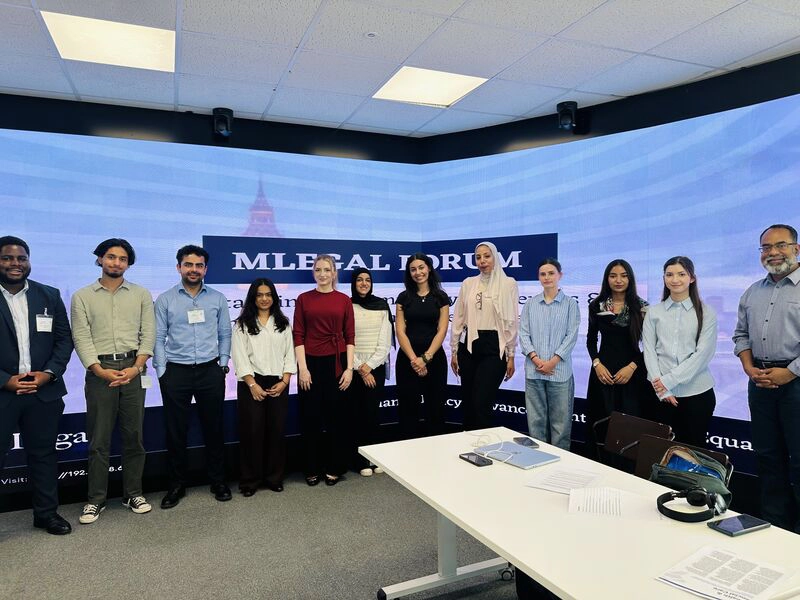
Last week, we hosted a Community Forum on Understanding Contemporary Challenges and Shaping Community Responses, bringing together academics, policy experts, and our MLegal Volunteer Associates for a day of thoughtful discussion, shared learning, and collaboration. Together, we explored some of the key issues affecting Muslim and marginalised communities today, including the rise in antisemitism and Islamophobia, gendered Islamophobia, emerging forms of extremism, the implications of the Leicester Report, and the development of the Muslim Manifesto as a framework for future policy and advocacy. The conversations throughout the day reinforced the importance of evidence-based research, cross-sector collaboration, and meaningful community engagement. The Forum also provided a valuable opportunity to exchange ideas, strengthen partnerships, and identify practical ways to take this work forward. A huge thank you to all of our speakers, respondents, and attendees for sharing your expertise, perspectives, and time. Your contributions made the day a real success. This Forum marks the start of an exciting programme of work at MLegal. As we continue developing the Muslim Manifesto and expanding our research and policy work, we look forward to working alongside a growing network of Associates and partners committed to advancing justice, equality, and human rights. If you’d like to get involved in our future events, research, or the MLegal Associates Programme, we’d love to hear from you. Get in touch at enquiries@m-legal.org. #MLegal #CommunityForum #Policy #HumanRights #Equality #Islamophobia #Antisemitism #Research #Advocacy #MuslimManifesto
#Justice & Accountability
MLegal supports the statement issued by the Discrimination Law Association on the Public Sector Equality Duty (PSED). The PSED plays an important role in public decision-making by requiring public authorities to have due regard to the need to eliminate discrimination, advance equality of opportunity, and foster good relations when exercising their functions. It helps ensure that equality considerations are addressed at the appropriate stage of decision-making, particularly where policies, service changes, or budget decisions may affect groups protected under equality law. As the DLA’s statement makes clear, the PSED is a duty to consider. It does not dictate particular outcomes, require absolute equality in every circumstance, or prevent public authorities from implementing decisions that may have adverse equality impacts. Rather, it requires decision makers to properly understand and conscientiously assess those impacts before decisions are finalised. As an organisation committed to advancing human rights and equality through legal and policy research, strategic advocacy, and community engagement, MLegal recognises the importance of legal frameworks that promote accountability and ensure that equality considerations are not overlooked. As members of the Discrimination Law Association, we welcome this clarification of the purpose, scope, and continuing importance of the Public Sector Equality Duty. #EqualityLaw #HumanRights #PSED #PublicSectorEqualityDuty #AccessToJustice Read the full statement by DLA below: FOR IMMEDIATE RELEASE The Public Sector Equality Duty: A Duty to Consider Discrimination Law Association Statement The Discrimination Law Association (DLA) has issued a statement to clarify the purpose, scope and importance of the Public Sector Equality Duty (PSED), following widespread public commentary that has misunderstood its nature. Public authorities make decisions every day that affect people’s housing, education, health, social care, policing, transport, and access to public services. The Public Sector Equality Duty is a legal mechanism that requires these bodies to consider equality when making such decisions. Consistent statistical evidence continues to demonstrate the systemic disadvantages experienced by individuals within protected characteristic groups. The duty applies to public authorities and certain organisations when they carry out public functions. In exercising those functions, they are required to have due regard to three key aims: Eliminating discrimination and unlawful conduct Advancing equality of opportunity between those who share a protected characteristic and those who do not Fostering good relations between different groups In practice, this means public bodies must ask appropriate equality-related questions at the correct stage of decision-making. They must consider whether proposed policies, budget reductions, service changes, or individual decisions could impact groups protected under equality law, including disabled people, women, racial and religious minorities, older and younger individuals, pregnant women, and LGBT people. Where equality considerations are relevant, public authorities must gather sufficient information to understand potential impacts. These impacts must then be conscientiously assessed before decisions are finalised. However, the duty has important limits. It does not: Dictate a particular outcome Prevent public authorities from implementing policies that may have adverse equality impacts Require absolute equality to be achieved in every circumstance Mandate formal equality impact assessments in all cases The Discrimination Law Association emphasises that the duty plays a vital role in embedding equality considerations into everyday governance and public administration. It ensures that decision-makers address potential disadvantage proactively, rather than after harm has occurred. Furthermore, the duty provides individuals, communities and equality organisations with a mechanism to challenge decisions where equality considerations have been overlooked or treated as secondary. The PSED originates from concerns highlighted in the Stephen Lawrence Inquiry, addressing systemic inequalities within public institutions.
#Equality
MLegal is proud to stand alongside Just Fair and the 76 organisations across the UK in signing a joint letter marking 50 years since the UK ratified the International Covenant on Economic, Social and Cultural Rights. These rights, to housing, food, healthcare, education, decent work, and social security, are the foundations people should be able to rely on to live well. Yet too many are still denied them. This campaign is about turning long-standing commitments into reality. Read the letter below and find out more 👇 #ICESCR50 #FoundationForEveryone #ESCRights #HumanRights ICESCR Anniversary Letter
#Inclusion#Equality
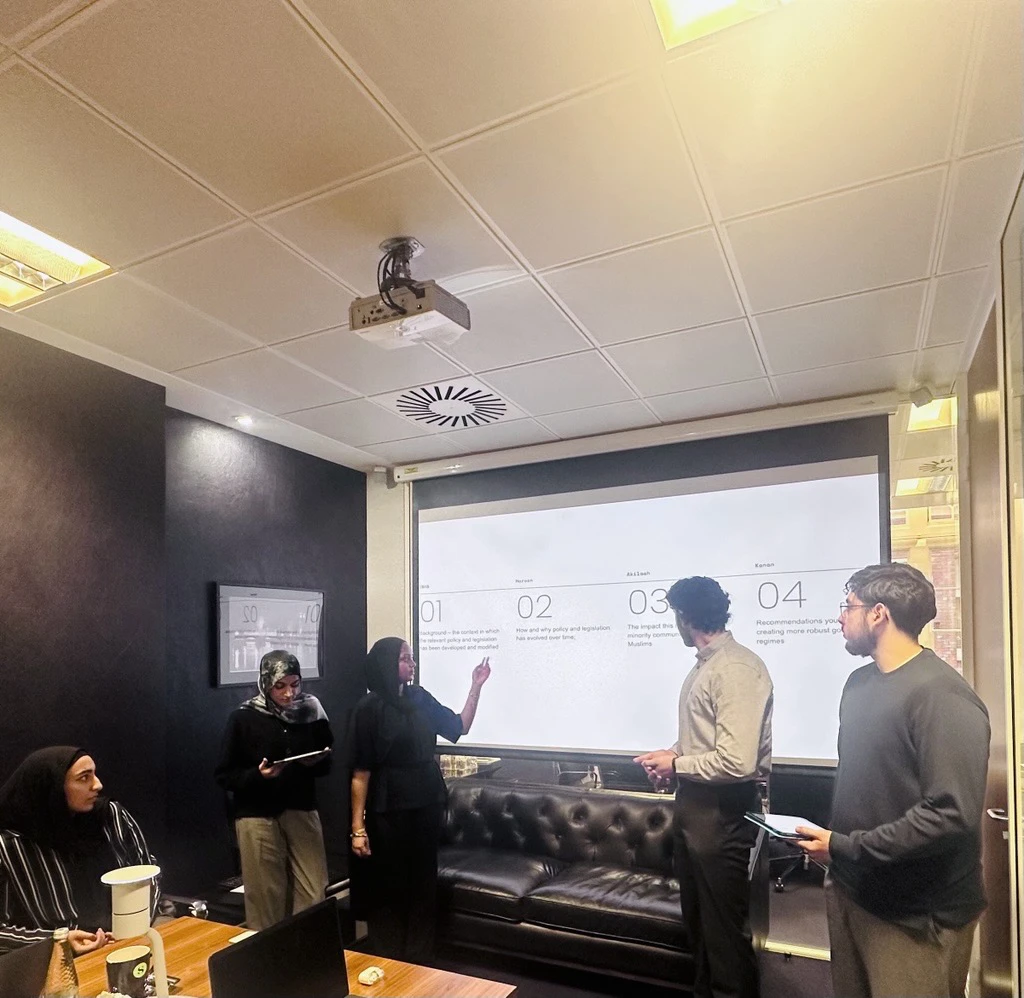
Last week, our MLegal Associates came together for an important milestone in their journey, presenting the work they have been developing across a range of critical areas including equalities, Islamophobia, counter-terrorism, public order, and hate crime. Working collaboratively in groups, the Associates undertook focused research into these complex and often interconnected topics. Their presentations brought together internal colleagues and external guests, creating a thoughtful and engaging space to explore how these issues operate in practice, where challenges remain, and how policy, law, and lived experience intersect. Each presentation led to thoughtful discussion, allowing participants to reflect on the research, share different perspectives, and highlight the value of dialogue in addressing issues affecting marginalised communities. The day concluded with a collective discussion on Islamophobia, allowing the cohort to delve deeper into its contemporary forms, its impact, and the ways it continues to shape social and political landscapes. It was a valuable opportunity for shared learning and critical reflection. We are proud of the dedication and insight shown by our MLegal Associates and look forward to supporting them as they continue to develop their skills, knowledge, and contributions towards a more just and inclusive society.
#Human Rights
In December, to mark Human Rights Day, MLegal joined more than 180 organisations across the UK in signing a joint open letter calling for stronger leadership on human rights and challenging recent negative rhetoric from government. Human rights matter most when they are hardest to defend. At a time when core protections are increasingly questioned or portrayed as obstacles rather than safeguards, this collective action sends a clear message: human rights are essential to dignity, fairness, and accountability, and they must be upheld rather than weakened. As a UK-based non-profit organisation committed to defending and advancing the rights of marginalised communities, MLegal’s decision to sign this open letter reflects our core mission and values. Founded to challenge systemic inequalities, we work at the intersection of civil liberties and human rights through strategic policy work, legal analysis, and advocacy. We see first-hand how harmful rhetoric and policy choices can undermine protections that many people rely on to live safely and with dignity. Human rights provide a shared framework that protects individuals, strengthens democracy, and ensures those in power are held to account. For marginalised communities in particular, these rights are not abstract ideals but vital safeguards against discrimination, exclusion, and abuse. By adding our voice to this open letter, MLegal stands in solidarity with civil society organisations, legal experts, and grassroots groups across the UK who are calling for leadership that strengthens human rights rather than eroding them. We believe that informed advocacy, collaboration, and community engagement are essential to achieving meaningful and lasting change. MLegal will continue to work alongside partners across the sector to promote justice, challenge systemic inequalities, and amplify the voices of those whose rights are too often overlooked or compromised. Together, we are calling for a future in which human rights are protected in law, respected in practice, and real for everyone. Read the full letter here on the British Institute of Human Rights website.
#Human Rights#Equality
MLegal is committed to the advancement of the rights and protection of marginalised communities, including the Muslim community, in the UK. Therefore, we welcome the Independent Working Group’s contribution to the development of a definition of anti-Muslim bigotry, referred to in its work as ‘anti-Muslim hostility’. While the Working Group has moved away from the term ‘Islamophobia’, opting instead for ‘anti-Muslim hostility’, we appreciate that a central element of the proposed definition remains the recognition of the ‘racialisation’ of Muslims as a homogenous group. This process – grounded in negative stereotypes and prejudices – continues to be identified as a driver of the discrimination, harassment, and the ‘othering’ of Muslims. MLegal understands that the proposed definition will be non-statutory. Despite the lack of formal legal codification, we believe that it offers a coherent and practical framework capable of adoption by public bodies and institutions. We are therefore hopeful that it will contribute to stronger protections for individuals who are perceived to be Muslim within public, professional, and institutional settings. Importantly, the definition seeks to strike an appropriate balance by safeguarding those affected by anti-Muslim hostility while preserving freedom of expression and open debate. While further refinement may be necessary, MLegal welcomes the current proposal as an important step towards meaningful change and enhanced safeguards for Muslims across the UK.
#Inclusion
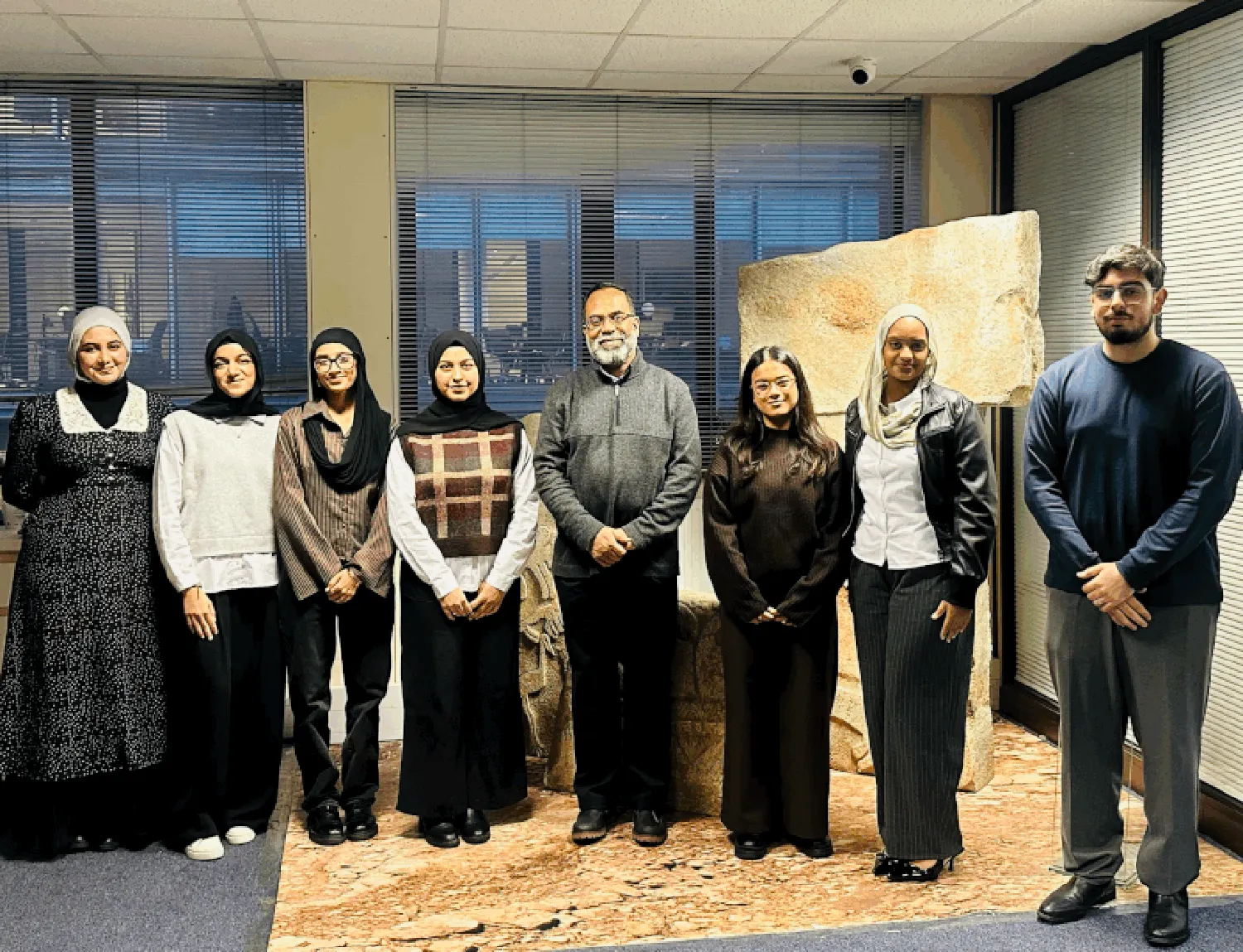
At the end of last month, we marked a significant milestone as we welcomed our first cohort of MLegal Associates. We began the day by exploring a foundational topic: understanding Islamophobia. We opened with a discussion on how young people perceive Islamophobia, before delving deeper into its contemporary forms and the multiple dimensions through which it manifests. Together, we unpacked what current legislation covers, the gaps that still exist, and how these relate to direct and indirect discrimination, harassment, victimisation, perceptions, and association. Our cohort also engaged in a thoughtful examination of political narratives, focusing on how polarisation emerges and what it means to bring people together within political spaces. We explored the importance of policymaking, relationship-building, and navigating the complexities of the political landscape. We continued by looking at equalities frameworks, and later examined extremism, including the complexities and implications it presents. Well done to all the Associates in the cohort who were selected – we’re excited to support your journey ahead. Congratulations to: Kanan Dadashzade, Sahana Kalam, Hannah Pathan, Halil Karakus, Akilaah Rafeek, Iman Jaura, Hamza Ahmad, and Haroon Shah. A huge thank you to Yunus Emre Enstitüsü for generously providing us with space for this training session. We look forward to continuing this journey with our new Associates as they grow, learn, and contribute to shaping a fairer and more inclusive society.
#Justice & Accountability
MLegal is committed to navigating the complex challenge of balancing security imperatives with the protection of human rights and civil liberties of all citizens. It, therefore, recognises the important work of the Independent Commission on Counter-Terrorism and welcomes its report. MLegal welcomes and supports many of the insights and recommendations in the report, particularly on strengthening oversight and accountability in counter-terrorism work, narrowing the definition of terrorism, reforming the Prevent strategy, ensuring proportionate use of counter-terrorism policing powers, establishing clearer evidential thresholds for terrorist intent in precursor offences, safeguarding fairness in closed material procedures, balancing national security and democratic rights in proscription cases, balancing security with the needs of humanitarian organisations in counter-terrorism financing provisions, and restoring fairness and proportionality in citizenship laws. There are other insights and recommendations in the report that we will further consult the Muslim communities on – communities that have been particularly impacted by terrorism legislation, policy and practice. Whilst we appreciate the great work that the Independent Commission has undertaken and reported on, we note that the Commission’s focus was predominantly on the Prevent and Pursue aspects of CONTEST, the UK’s strategy on counter-terrorism. The report does not cover the Protect and Prepare elements of the strategy. Recent activities by the far-right, and consequently the sharp rise in hostilities against Muslim communities, underscore the urgent need to develop all elements of the counter-terrorism strategy more comprehensively, particularly in terms of protecting potential Muslim community targets from any large-scale terrorist atrocities and preparing for any such eventuality. Thus, we will also be consulting Muslim communities on these aspects of the counter-terrorism strategy. In the coming weeks, therefore, MLegal will consult not only on what is in the Commission’s report but also what is missing from it. We will be consulting with experts and grassroots organisations and leaders for their insights. We feel this consultation is essential to ensure that our response to the report reflects the experiences, concerns and thoughts of those who are most significantly impacted by the current counter-terrorism regime. In due course, therefore, MLegal will provide a more comprehensive response to the Commission’s report that reflects this consultation and provides decision makers greater insight into how the report and its recommendations have been received by the communities possibly most impacted by its contents.
#Equality#Inclusion
Earlier this year, MLegal proudly funded the Runnymede Trust’s report Islamophobia: Towards a Working Definition. In the report, the Runnymede Trust explains: “Over the past two decades, our understanding of Islamophobia has evolved significantly. Islamophobia is more than just an irrational fear or hostility towards Islam, as it was initially described in early definitions of the term. It is now widely recognised as a form of racism towards Muslims that is deeply embedded in societal structures and systems of power. Reflecting on the current context, it is clear that Islamophobia extends beyond overt acts of discrimination or hate crimes. It is institutional, systemic, and often instrumentalised through policy and legislation.” Building on these insights, we see that Islamophobia can sometimes appear as purely religious or purely racial bigotry. However, in most cases- shaped by colonial legacies and reinforced by media narratives, counter-terrorism frameworks, and institutional practices- it is experienced as a complex intersection of both. For instance, people with Muslim-sounding names are less likely to be offered job interviews, and Sikhs are often attacked in the streets as “Muslims” despite not being of the Islamic faith. In other words, individuals are targeted based on their perceived or visible Muslimness, not necessarily their belief in or practice of Islam. This intersectional form of discrimination causes significant harm – through profiling, barriers to education and employment, restricted access to services, and exclusion from full civic participation. Recognising Islamophobia as a form of racism also ensures legal and policy coherence and consistency with other forms of racialised religious bigotry. This important publication provides a timely and robust framework for understanding Islamophobia and shaping more effective responses across government, civil society, and public institutions. Read the full Runnymede Trust briefing here.
#Equality
MLegal is proud to stand alongside Equally Ours and over 160 civil society organisations in urging the Prime Minister and his Cabinet to demonstrate consistent and principled leadership in advancing anti-racism, inclusion, and equality across the UK. This collective call comes at a time of deep concern following the recent rise in far-right violence and the devastating antisemitic attack at Heaton Park Synagogue. These events are stark reminders that hatred directed at any community threatens the safety and cohesion of all.
#Equality
Earlier this year, MLegal proudly facilitated an inspiring visit to the UK Parliament for a group of young people, including our intern Shijing from Queen Mary University of London and work experience candidate Mathew. The visit provided participants with a unique opportunity to deepen their understanding of how Parliament operates and to engage directly with staff working for senior political figures such as Rachel Reeves and Afzal Khan MP. The day offered valuable insight into the journeys of those who have built careers within Parliament and the wider policymaking arena. Participants learned about the different pathways into political roles, the functions of the House of Commons and House of Lords, and the importance of legal and policy expertise in shaping national debates.
MLegal is proud to announce the launch of its new Graduate Associate Fellowship, a programme designed to develop the next generation of Muslim legal thinkers and advocates. The Fellowship offers graduates from all disciplines the opportunity to gain first-hand experience in legal and policy debates that shape civic life in Britain today. Associates will contribute to MLegal’s work across four key areas: equality, Islamophobia, counter-terrorism, and freedom of expression. “This programme is about opening doors,” said Sayed Alkadiri, Executive Director of MLegal. “We want to ensure that talented young people have the chance to participate in discussions and research that directly impact their communities and wider society.” Associates will: Join MLegal’s team discussions and roundtables. Contribute to research, case analysis, and advocacy materials. Receive mentorship from experienced legal and policy practitioners. Gain recognition through published outputs, certificates, and professional references. The Fellowship is a voluntary role (3–5 hours per week, remote), running on a rolling basis with renewable 3-month terms. It is open to graduates with a strong interest in justice, rights, and equality. Applications are now open. Interested graduates can apply here: https://form.jotform.com/252593933776371
#Equality#Justice & Accountability#Human Rights#Inclusion
M-Legal has submitted detailed evidence to the Government’s Equality Law Call for Evidence, which is examining whether current legislation — particularly the Equality Act 2010 — is fit for purpose in tackling persistent inequalities. Our submission focuses on where the law fails to fully protect Muslim communities, particularly in areas such as equal pay, harassment protections, and intersectional discrimination. Drawing on our legal expertise, case law, and engagement with affected communities, we highlight specific provisions in the Equality Act that result in unequal treatment and propose practical reforms to close these gaps. Our Position The Equality Act 2010 was intended to harmonise protections across protected characteristics. However, it does not provide equivalent protection for Muslims as it does for other ethno-religious groups, such as Jews and Sikhs, despite the well documented reality of racialised religious bigotry faced by Muslims. This exclusion is most visible in: The omission of multi-ethnic religious groups like Muslims from the statutory definition of race under s9 Equality Act. The absence of equal pay provisions for religion or belief, leaving Muslim workers without the same pay transparency or remedies available for gender, race, or disability. Gaps in harassment protections for religion in key areas of public life, including service provision, education, and public functions. The lack of a legal route to bring combined discrimination claims, meaning that intersecting prejudice — for example, against Muslim women — is not properly recognised or addressed. Why This Matters Muslim workers, particularly Muslim women, face some of the largest pay gaps and employment penalties in the UK. Government statistics and independent research show that: Muslim men and women earn significantly less than White Christian counterparts, even after accounting for education, occupation, and region. Muslim women face compounded disadvantage due to gendered Islamophobia, with evidence of bias at recruitment, progression, and pay negotiation stages. Overrepresentation of Muslims in outsourced, insecure, and subcontracted roles limits access to equal pay comparisons, making it harder to challenge disparities. Without reform, these patterns will remain embedded, and the Equality Act will continue to deliver unequal protection for equal harms.

#Equality#Inclusion#Human Rights#Justice & Accountability
M-Legal has submitted written evidence to the Women and Equalities Committee for its one-off inquiry into gendered Islamophobia. The inquiry examines the specific challenges facing Muslim women in the UK, including barriers to reporting, the difficulties in agreeing a definition of Islamophobia, and how gendered prejudice can be effectively challenged. Our evidence is grounded in legal and policy analysis, engagement with Muslim women and community organisations, and international best practice. It sets out how gendered Islamophobia is shaped by the intersection of faith, race, and gender, and the compounded impact this has on safety, equality, and participation in public life. Our Position We define gendered Islamophobia within the same overarching framework as Islamophobia more broadly — religious bigotry, racial bigotry, or a combination of both — racialised religious bigotry — with gender acting as a compounding factor. It manifests across three domains: Othering – negative stereotyping and narratives about Muslim women’s identity, autonomy, and role in society, often perpetuated in public discourse and media. Discrimination – structural and institutional barriers in employment, housing, public services, and civic participation. Hostility – verbal abuse, harassment, and physical violence, disproportionately affecting visibly Muslim women, particularly those wearing hijab or niqab. Why This Matters Gendered Islamophobia is persistently underreported, due to: Low trust in reporting mechanisms and public institutions. Lack of confidence in achieving redress. The normalisation of prejudice and stereotyping in public and media narratives. We also highlight significant gaps in equalities law — particularly the weaker harassment protections for religion in the Equality Act 2010 compared to race — leaving Muslim women without the same legal safeguards as other racialised religious groups. These gaps have real-world consequences for dignity, safety, and equal access to opportunities.
#Equality#Inclusion#Human Rights#Justice & Accountability
Last month, M-Legal submitted evidence to the UK Government’s Working Group on Anti-Muslim Hatred/Islamophobia Definition — an independent panel tasked with recommending a national, non-statutory definition that can be used consistently across public policy and institutions. Our submission was informed by three roundtable meetings with Muslim community organisations, legal practitioners, and civil society leaders, exploring how Islamophobia is experienced in education, policing, media, housing, and public life. These conversations ensured the proposed definition reflects lived realities and commands broad community confidence. We also met members of the Working Group in person to present our legal analysis, community evidence, and recommendations. A Comprehensive Definition Drawing on the expertise of our Chair and informed by UN, EU, and OSCE best practice, our submission argues that Islamophobia must be recognised as religious bigotry, racial bigotry, or a complex combination of both — racialised religious bigotry. It manifests across three interconnected domains: Othering – dehumanising narratives, stereotyping, and exclusion from public life. Discrimination – structural and institutional barriers in services, education, housing, and employment. Hostility – hate speech, incitement, and violence. While it can occur in purely religious or purely racial forms, it is most often an overlap of the two — a point that should be explicit in any agreed definition.

#Equality#Human Rights
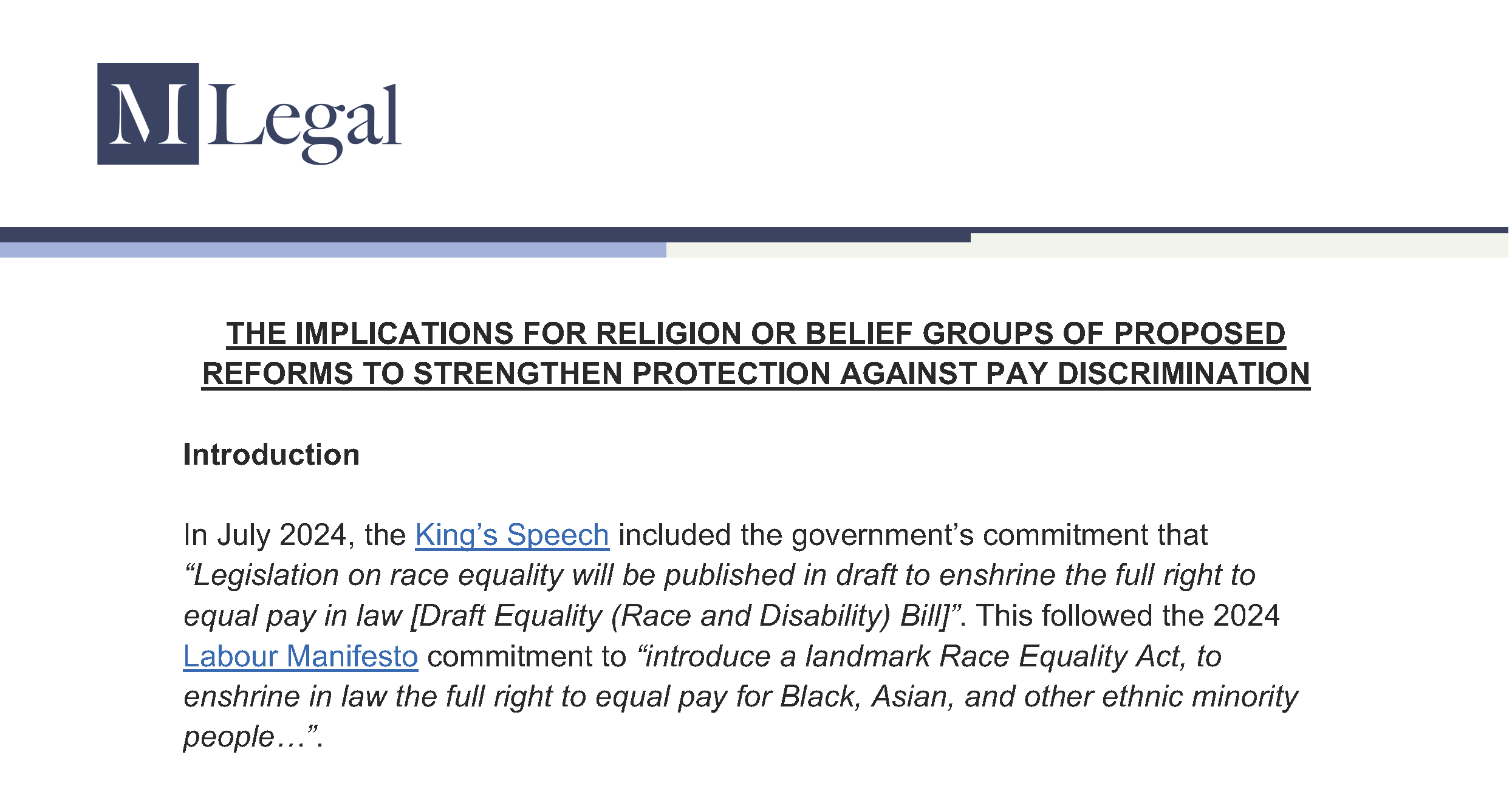
M-Legal has submitted its formal response to the UK Government’s consultation on extending mandatory pay gap reporting to cover ethnicity and disability. These proposals, part of the draft Equality (Race and Disability) Bill, offer a critical opportunity to improve workplace transparency, strengthen legal coherence, and address persistent structural inequalities across the UK economy. What Is The Consultation About? Since 2017, large employers have been required to report annually on gender pay gaps. The Government is now considering whether similar obligations should apply to ethnicity and disability. The consultation covers how data should be collected, reported, and acted upon, and explores whether public bodies should have additional duties to monitor recruitment, retention and progression. This marks a key moment in the evolving discussion around fairness at work—and the role of law and data in realising it. Why M-Legal Is Responding M-Legal funds support and strategic litigation for individuals and communities facing structural discrimination, particularly where race, religion, and class intersect. We have a long-standing interest in the way UK legal frameworks fall short in protecting racialised and religious minorities, especially those whose experiences of discrimination are rendered invisible by outdated or fragmented definitions of race. We view pay gap reporting as more than a technical requirement. It is a tool that, if designed well, can help challenge deep-rooted patterns of exclusion in recruitment, progression, and reward—particularly for those at the sharpest end of institutional bias.
Get Involved
MLegal's work is strengthened by the involvement of individuals, organisations, communities and institutions committed to advancing human rights, equality and social justice.
We believe meaningful change happens when researchers, communities and policy people work
together. There are several ways you can support and contribute to our work.
Here’s how you can help us make a difference:
-
Stay Informed
Subscribe to our newsletter and follow us on LinkedIn for updates on our latest research, publications, events and advocacy work. -
Share Our Work
Help us broaden the reach of our work by sharing our publications with your networks. Raising awareness and strengthening public understanding are important parts of informing public debate and challenging prejudice. -
Partner With Us
We welcome collaboration with community organisations, civil society groups, legal practitioners, academics, researchers, public bodies and other organisations working to address prejudice, discrimination, barriers to equal opportunity and participation, and hostility towards individuals and communities.
We are particularly interested in partnerships that enable communities to contribute directly to research, policy development and advocacy. -
Support Our Work
You can support MLegal through a donation. Your contribution helps us develop independent research, produce reports, briefings and resources, engage with communities, and contribute to evidence-based debate on equality, human rights and community cohesion.

Latest Publications
Our publications, including our policy and community briefings, provide accessible, evidence-based analysis of legal and policy issues affecting marginalised communities across the United Kingdom.
Our publications examine legislation, government policy, institutional practices and emerging developments through the lens of human rights, equality and public law. They identify challenges, explore their impact and set out practical, evidence-based recommendations for reform.
75+
Policy Papers
150+
Legal Cases Won
45+
Partner Organisations
10K+
Community Members
We Are Proud Members Of