Articles

Our articles provide in-depth analysis and commentary on legislation and policy developments that impact marginalised communities in the UK. We produce briefings, legal responses, and research-led insights to inform public debate, support advocacy efforts, and equip allies with accurate, accessible information.

#Justice & Accountability

Community Response To The Social Cohesion Strategy

Understanding the Government’s Social Cohesion Strategy: MLegal’s Latest Community Briefing   MLegal is pleased to publish one of its latest community briefing, Response to the Government’s Social Cohesion Strategy, providing an accessible analysis of the Government’s Protecting What Matters strategy and its implications for Muslim communities, civil society organisations, policymakers and other stakeholders.   This briefing has been prepared by MLegal, drawing on discussions with civil society organisations, experts and academics working in this field. It explains the Government’s Social Cohesion Strategy, identifies key concerns for Muslim and marginalised communities, and supports communities to navigate the emerging policy landscape with confidence.   Understanding the Government’s Strategy   The Government’s Social Cohesion Strategy sets out a vision for strengthening belonging, resilience and participation across the UK. It includes commitments that many communities may welcome, including investment in local communities, youth provision, support for places of worship, action against anti-Muslim hate, employment initiatives and programmes intended to strengthen community cohesion.   Alongside these proposals, the strategy introduces or reinforces measures connected to counter-extremism, Prevent, institutional oversight, regulatory powers and local risk assessment. As these policies are implemented across public institutions and local authorities, it is important that communities understand how they may affect civic participation, governance and community engagement.   What the Briefing Covers   The briefing provides a detailed examination of the strategy, including:   The relationship between social cohesion, counter-extremism and national security policy; The implications of the 2024 extremism definition and Prevent-related measures; The Government’s approach to addressing anti-Muslim hostility and the continued importance of recognising Islamophobia; The potential impact on charities, mosques, universities, schools, students and wider civil society; The role of local authorities, neighbourhood boards and public bodies in implementing the strategy; and Practical guidance to help communities understand, monitor and engage with the policy as it develops.   Rather than focusing solely on policy analysis, the briefing is designed as a practical resource to help organisations prepare for implementation, strengthen governance, understand their rights and responsibilities, and engage confidently with public institutions.   Practical Guidance for Communities   Recognising that implementation will largely take place at the local level, the briefing includes sector-specific guidance for:   Mosques and faith institutions; Charities and community organisations; Universities and student societies; Parents and education advocates; and Local civil society organisations and community leaders.   It also sets out an immediate action checklist to support organisations in monitoring implementation, documenting emerging issues, strengthening governance and building collaborative local responses.   Read the Full Briefing   As the Government’s Social Cohesion Strategy begins to shape policy and practice across the UK, it is important that communities and organisations understand both its proposals and their practical implications.   We invite you to explore the full briefing to learn more about the strategy, the issues it raises and the practical guidance it provides for communities, practitioners and policymakers.   Read the full community briefing here: Click Here

Community Forum – Understanding Contemporary Challenges

Last week, we hosted a Community Forum on Understanding Contemporary Challenges and Shaping Community Responses, bringing together academics, policy experts, and our MLegal Volunteer Associates for a day of thoughtful discussion, shared learning, and collaboration.   Together, we explored some of the key issues affecting Muslim and marginalised communities today, including the rise in antisemitism and Islamophobia, gendered Islamophobia, emerging forms of extremism, the implications of the Leicester Report, and the development of the Muslim Manifesto as a framework for future policy and advocacy.   The conversations throughout the day reinforced the importance of evidence-based research, cross-sector collaboration, and meaningful community engagement. The Forum also provided a valuable opportunity to exchange ideas, strengthen partnerships, and identify practical ways to take this work forward. A huge thank you to all of our speakers, respondents, and attendees for sharing your expertise, perspectives, and time. Your contributions made the day a real success.   This Forum marks the start of an exciting programme of work at MLegal. As we continue developing the Muslim Manifesto and expanding our research and policy work, we look forward to working alongside a growing network of Associates and partners committed to advancing justice, equality, and human rights.   If you’d like to get involved in our future events, research, or the MLegal Associates Programme, we’d love to hear from you. Get in touch at enquiries@m-legal.org.   #MLegal #CommunityForum #Policy #HumanRights #Equality #Islamophobia #Antisemitism #Research #Advocacy #MuslimManifesto

#Justice & Accountability

DLA Statement

MLegal supports the statement issued by the Discrimination Law Association on the Public Sector Equality Duty (PSED).   The PSED plays an important role in public decision-making by requiring public authorities to have due regard to the need to eliminate discrimination, advance equality of opportunity, and foster good relations when exercising their functions. It helps ensure that equality considerations are addressed at the appropriate stage of decision-making, particularly where policies, service changes, or budget decisions may affect groups protected under equality law.   As the DLA’s statement makes clear, the PSED is a duty to consider. It does not dictate particular outcomes, require absolute equality in every circumstance, or prevent public authorities from implementing decisions that may have adverse equality impacts. Rather, it requires decision makers to properly understand and conscientiously assess those impacts before decisions are finalised.   As an organisation committed to advancing human rights and equality through legal and policy research, strategic advocacy, and community engagement, MLegal recognises the importance of legal frameworks that promote accountability and ensure that equality considerations are not overlooked.   As members of the Discrimination Law Association, we welcome this clarification of the purpose, scope, and continuing importance of the Public Sector Equality Duty.   #EqualityLaw #HumanRights #PSED #PublicSectorEqualityDuty #AccessToJustice   Read the full statement by DLA below:   FOR IMMEDIATE RELEASE   The Public Sector Equality Duty: A Duty to Consider   Discrimination Law Association Statement   The Discrimination Law Association (DLA) has issued a statement to clarify the purpose, scope and importance of the Public Sector Equality Duty (PSED), following widespread public commentary that has misunderstood its nature.   Public authorities make decisions every day that affect people’s housing, education, health, social care, policing, transport, and access to public services. The Public Sector Equality Duty is a legal mechanism that requires these bodies to consider equality when making such decisions. Consistent statistical evidence continues to demonstrate the systemic disadvantages experienced by individuals within protected characteristic groups.   The duty applies to public authorities and certain organisations when they carry out public functions. In exercising those functions, they are required to have due regard to three key aims:   Eliminating discrimination and unlawful conduct Advancing equality of opportunity between those who share a protected characteristic and those who do not Fostering good relations between different groups   In practice, this means public bodies must ask appropriate equality-related questions at the correct stage of decision-making. They must consider whether proposed policies, budget reductions, service changes, or individual decisions could impact groups protected under equality law, including disabled people, women, racial and religious minorities, older and younger individuals, pregnant women, and LGBT people.   Where equality considerations are relevant, public authorities must gather sufficient information to understand potential impacts. These impacts must then be conscientiously assessed before decisions are finalised.   However, the duty has important limits. It does not:   Dictate a particular outcome Prevent public authorities from implementing policies that may have adverse equality impacts Require absolute equality to be achieved in every circumstance Mandate formal equality impact assessments in all cases   The Discrimination Law Association emphasises that the duty plays a vital role in embedding equality considerations into everyday governance and public administration. It ensures that decision-makers address potential disadvantage proactively, rather than after harm has occurred.   Furthermore, the duty provides individuals, communities and equality organisations with a mechanism to challenge decisions where equality considerations have been overlooked or treated as secondary. The PSED originates from concerns highlighted in the Stephen Lawrence Inquiry, addressing systemic inequalities within public institutions.

#Equality

ICESCR Anniversary Letter

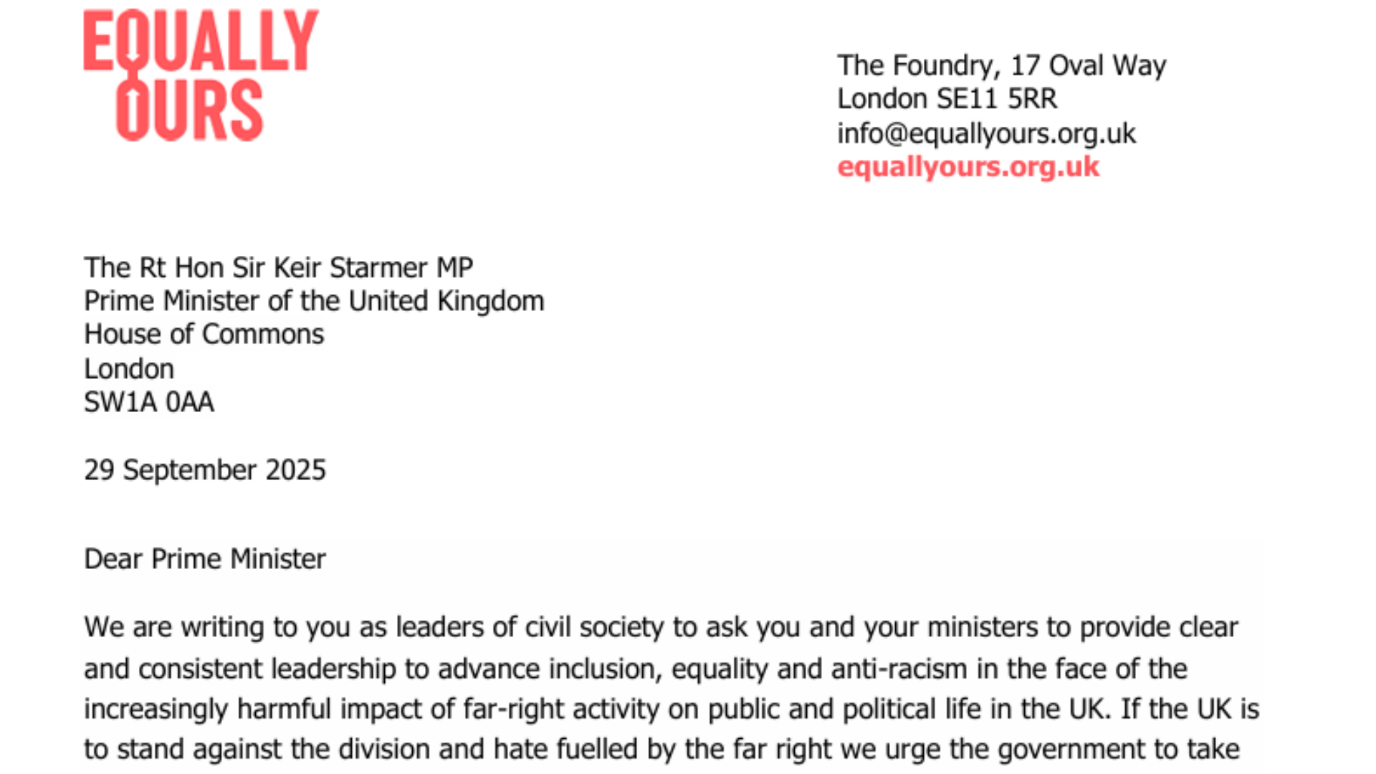
MLegal is proud to stand alongside Just Fair and the 76 organisations across the UK in signing a joint letter marking 50 years since the UK ratified the International Covenant on Economic, Social and Cultural Rights.   These rights, to housing, food, healthcare, education, decent work, and social security, are the foundations people should be able to rely on to live well. Yet too many are still denied them. This campaign is about turning long-standing commitments into reality.   Read the letter below and find out more 👇 #ICESCR50 #FoundationForEveryone #ESCRights #HumanRights   ICESCR Anniversary Letter

#Inclusion#Equality

MLegal Associates Explore Equality, Islamophobia, and Public Order

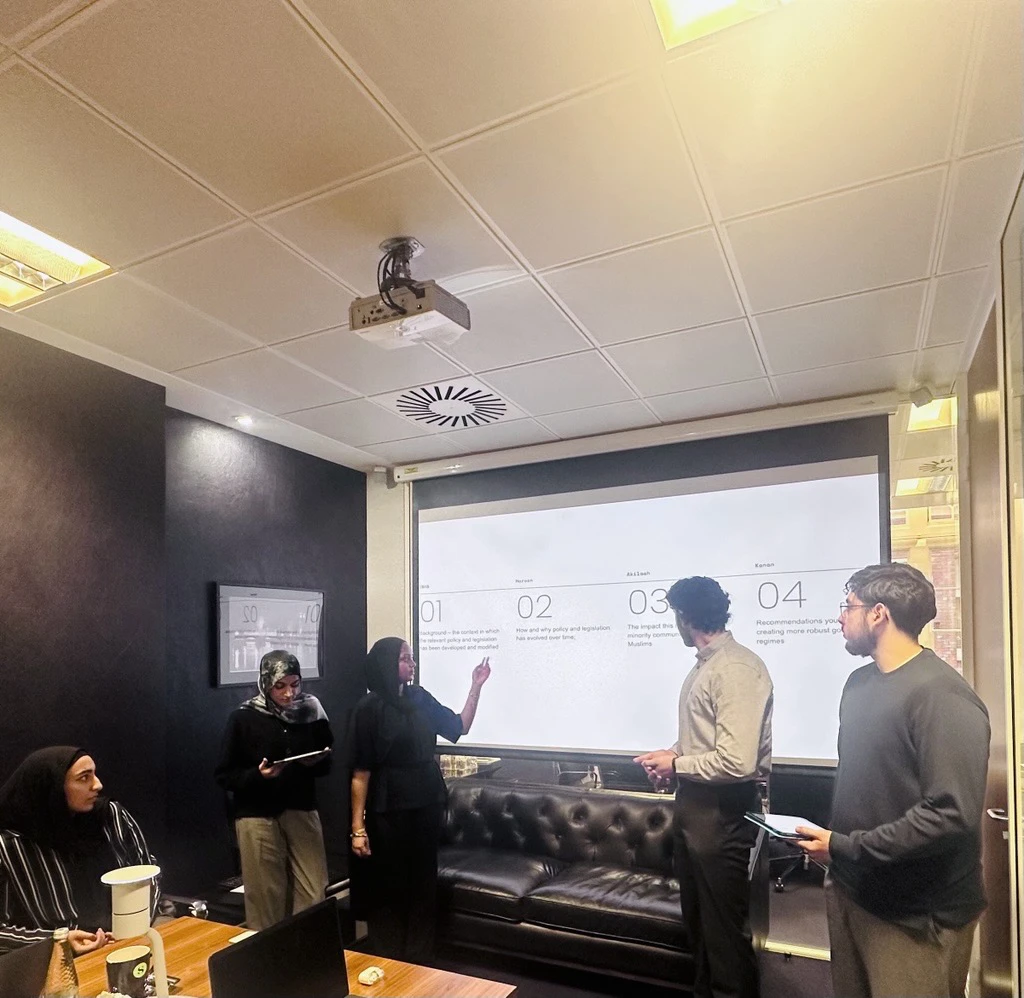
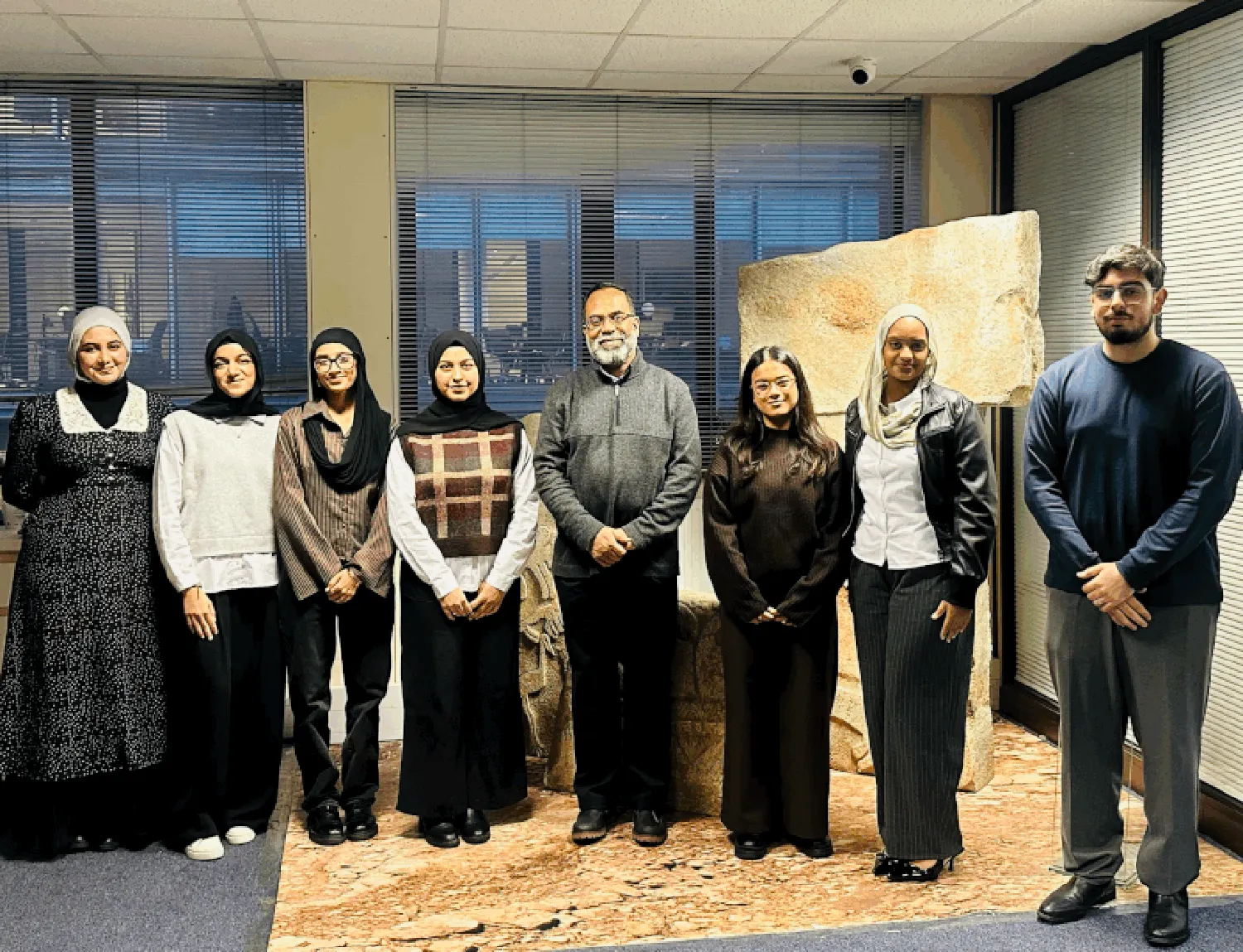
Last week, our MLegal Associates came together for an important milestone in their journey, presenting the work they have been developing across a range of critical areas including equalities, Islamophobia, counter-terrorism, public order, and hate crime.   Working collaboratively in groups, the Associates undertook focused research into these complex and often interconnected topics. Their presentations brought together internal colleagues and external guests, creating a thoughtful and engaging space to explore how these issues operate in practice, where challenges remain, and how policy, law, and lived experience intersect.   Each presentation led to thoughtful discussion, allowing participants to reflect on the research, share different perspectives, and highlight the value of dialogue in addressing issues affecting marginalised communities.   The day concluded with a collective discussion on Islamophobia, allowing the cohort to delve deeper into its contemporary forms, its impact, and the ways it continues to shape social and political landscapes. It was a valuable opportunity for shared learning and critical reflection.   We are proud of the dedication and insight shown by our MLegal Associates and look forward to supporting them as they continue to develop their skills, knowledge, and contributions towards a more just and inclusive society.

#Human Rights

MLegal Joins 180+ Organisations Calling for Stronger Human Rights Leadership

In December, to mark Human Rights Day, MLegal joined more than 180 organisations across the UK in signing a joint open letter calling for stronger leadership on human rights and challenging recent negative rhetoric from government.   Human rights matter most when they are hardest to defend. At a time when core protections are increasingly questioned or portrayed as obstacles rather than safeguards, this collective action sends a clear message: human rights are essential to dignity, fairness, and accountability, and they must be upheld rather than weakened.   As a UK-based non-profit organisation committed to defending and advancing the rights of marginalised communities, MLegal’s decision to sign this open letter reflects our core mission and values. Founded to challenge systemic inequalities, we work at the intersection of civil liberties and human rights through strategic policy work, legal analysis, and advocacy. We see first-hand how harmful rhetoric and policy choices can undermine protections that many people rely on to live safely and with dignity.   Human rights provide a shared framework that protects individuals, strengthens democracy, and ensures those in power are held to account. For marginalised communities in particular, these rights are not abstract ideals but vital safeguards against discrimination, exclusion, and abuse.   By adding our voice to this open letter, MLegal stands in solidarity with civil society organisations, legal experts, and grassroots groups across the UK who are calling for leadership that strengthens human rights rather than eroding them. We believe that informed advocacy, collaboration, and community engagement are essential to achieving meaningful and lasting change.   MLegal will continue to work alongside partners across the sector to promote justice, challenge systemic inequalities, and amplify the voices of those whose rights are too often overlooked or compromised. Together, we are calling for a future in which human rights are protected in law, respected in practice, and real for everyone.   Read the full letter here on the British Institute of Human Rights website.

#Human Rights#Equality

MLegal’s Response to the Independent Working Group’s Definition of Islamophobia

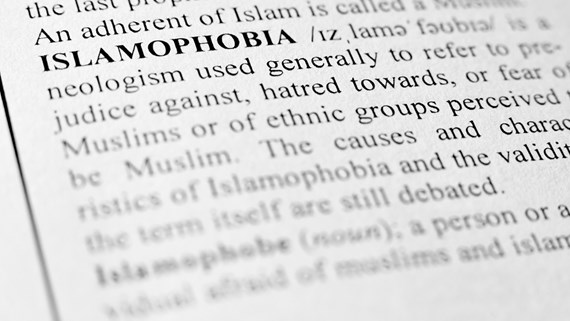
MLegal is committed to the advancement of the rights and protection of marginalised communities, including the Muslim community, in the UK. Therefore, we welcome the Independent Working Group’s contribution to the development of a definition of anti-Muslim bigotry, referred to in its work as ‘anti-Muslim hostility’.   While the Working Group has moved away from the term ‘Islamophobia’, opting instead for ‘anti-Muslim hostility’, we appreciate that a central element of the proposed definition remains the recognition of the ‘racialisation’ of Muslims as a homogenous group. This process – grounded in negative stereotypes and prejudices – continues to be identified as a driver of the discrimination, harassment, and the ‘othering’ of Muslims.   MLegal understands that the proposed definition will be non-statutory. Despite the lack of formal legal codification, we believe that it offers a coherent and practical framework capable of adoption by public bodies and institutions. We are therefore hopeful that it will contribute to stronger protections for individuals who are perceived to be Muslim within public, professional, and institutional settings. Importantly, the definition seeks to strike an appropriate balance by safeguarding those affected by anti-Muslim hostility while preserving freedom of expression and open debate.   While further refinement may be necessary, MLegal welcomes the current proposal as an important step towards meaningful change and enhanced safeguards for Muslims across the UK.

#Inclusion

Welcoming Our First Cohort of MLegal Associates

At the end of last month, we marked a significant milestone as we welcomed our first cohort of MLegal Associates. We began the day by exploring a foundational topic: understanding Islamophobia.   We opened with a discussion on how young people perceive Islamophobia, before delving deeper into its contemporary forms and the multiple dimensions through which it manifests. Together, we unpacked what current legislation covers, the gaps that still exist, and how these relate to direct and indirect discrimination, harassment, victimisation, perceptions, and association.   Our cohort also engaged in a thoughtful examination of political narratives, focusing on how polarisation emerges and what it means to bring people together within political spaces. We explored the importance of policymaking, relationship-building, and navigating the complexities of the political landscape.   We continued by looking at equalities frameworks, and later examined extremism, including the complexities and implications it presents.   Well done to all the Associates in the cohort who were selected – we’re excited to support your journey ahead. Congratulations to: Kanan Dadashzade, Sahana Kalam, Hannah Pathan, Halil Karakus, Akilaah Rafeek, Iman Jaura, Hamza Ahmad, and Haroon Shah.   A huge thank you to Yunus Emre Enstitüsü for generously providing us with space for this training session.   We look forward to continuing this journey with our new Associates as they grow, learn, and contribute to shaping a fairer and more inclusive society.

#Justice & Accountability

MLegal’s Initial Response to the Independent Commission on Counter-Terrorism

MLegal is committed to navigating the complex challenge of balancing security imperatives with the protection of human rights and civil liberties of all citizens. It, therefore, recognises the important work of the Independent Commission on Counter-Terrorism and welcomes its report.   MLegal welcomes and supports many of the insights and recommendations in the report, particularly on strengthening oversight and accountability in counter-terrorism work, narrowing the definition of terrorism, reforming the Prevent strategy, ensuring proportionate use of counter-terrorism policing powers, establishing clearer evidential thresholds for terrorist intent in precursor offences, safeguarding fairness in closed material procedures, balancing national security and democratic rights in proscription cases, balancing security with the needs of humanitarian organisations in counter-terrorism financing provisions, and restoring fairness and proportionality in citizenship laws. There are other insights and recommendations in the report that we will further consult the Muslim communities on – communities that have been particularly impacted by terrorism legislation, policy and practice.   Whilst we appreciate the great work that the Independent Commission has undertaken and reported on, we note that the Commission’s focus was predominantly on the Prevent and Pursue aspects of CONTEST, the UK’s strategy on counter-terrorism. The report does not cover the Protect and Prepare elements of the strategy. Recent activities by the far-right, and consequently the sharp rise in hostilities against Muslim communities, underscore the urgent need to develop all elements of the counter-terrorism strategy more comprehensively, particularly in terms of protecting potential Muslim community targets from any large-scale terrorist atrocities and preparing for any such eventuality. Thus, we will also be consulting Muslim communities on these aspects of the counter-terrorism strategy.   In the coming weeks, therefore, MLegal will consult not only on what is in the Commission’s report but also what is missing from it. We will be consulting with experts and grassroots organisations and leaders for their insights. We feel this consultation is essential to ensure that our response to the report reflects the experiences, concerns and thoughts of those who are most significantly impacted by the current counter-terrorism regime. In due course, therefore, MLegal will provide a more comprehensive response to the Commission’s report that reflects this consultation and provides decision makers greater insight into how the report and its recommendations have been received by the communities possibly most impacted by its contents.

Phone

012345 798090

Email

enquiries@m-legal.org