Our Blog

Our blog provides reflections on legal, policy and social developments affecting marginalised communities in the UK. Drawing on our research, engagement and advocacy work, we examine current issues, emerging debates and developments across our five themes. Through timely and accessible content, we aim to promote greater understanding of the challenges these communities face and contribute to informed public discussion.

#Human Rights#Equality

MLegal’s Response to the Independent Working Group’s Definition of Islamophobia

MLegal is committed to the advancement of the rights and protection of marginalised communities, including the Muslim community, in the UK. Therefore, we welcome the Independent Working Group’s contribution to the development of a definition of anti-Muslim bigotry, referred to in its work as ‘anti-Muslim hostility’.   While the Working Group has moved away from the term ‘Islamophobia’, opting instead for ‘anti-Muslim hostility’, we appreciate that a central element of the proposed definition remains the recognition of the ‘racialisation’ of Muslims as a homogenous group. This process – grounded in negative stereotypes and prejudices – continues to be identified as a driver of the discrimination, harassment, and the ‘othering’ of Muslims.   MLegal understands that the proposed definition will be non-statutory. Despite the lack of formal legal codification, we believe that it offers a coherent and practical framework capable of adoption by public bodies and institutions. We are therefore hopeful that it will contribute to stronger protections for individuals who are perceived to be Muslim within public, professional, and institutional settings. Importantly, the definition seeks to strike an appropriate balance by safeguarding those affected by anti-Muslim hostility while preserving freedom of expression and open debate.   While further refinement may be necessary, MLegal welcomes the current proposal as an important step towards meaningful change and enhanced safeguards for Muslims across the UK.

#Inclusion

Welcoming Our First Cohort of MLegal Associates

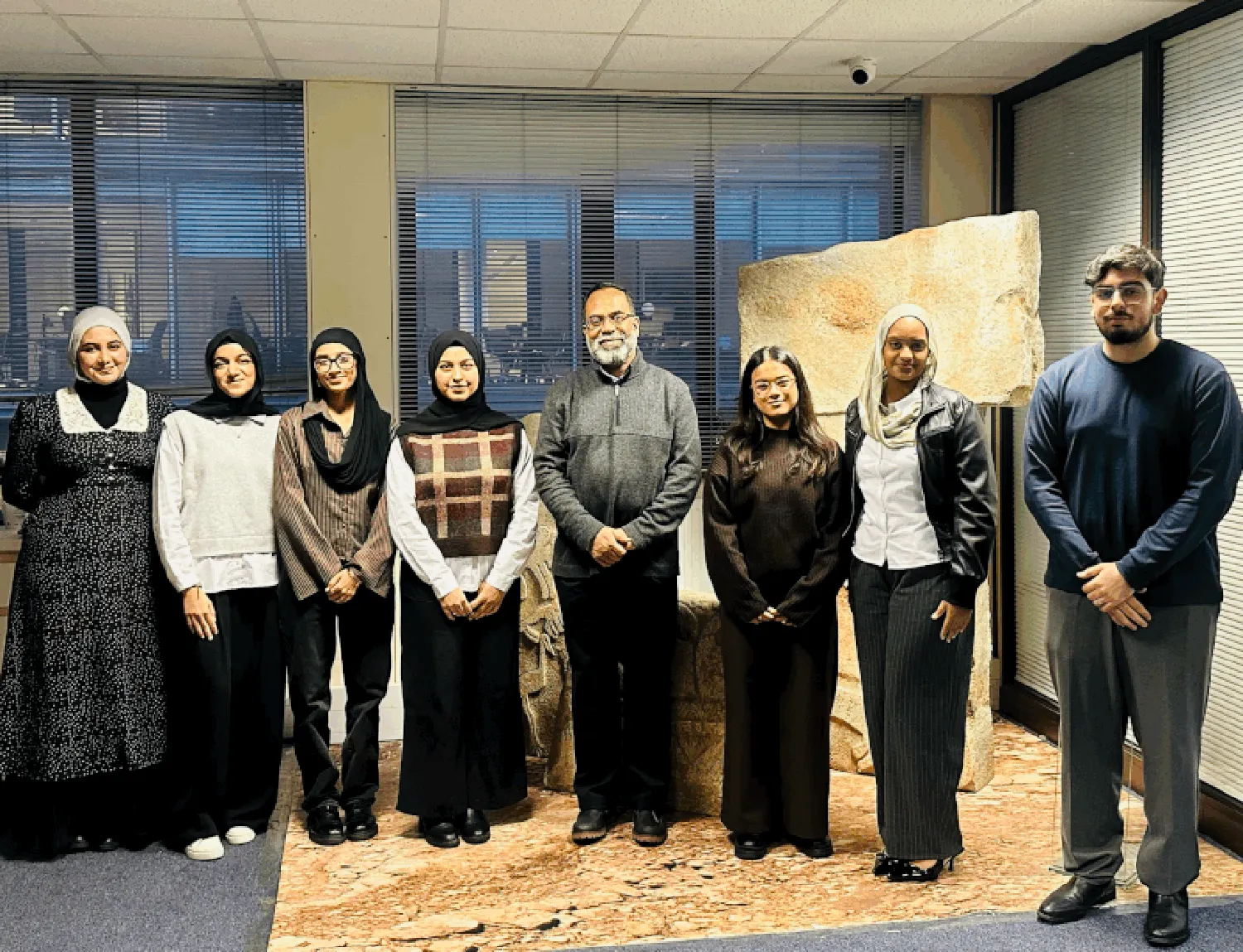
At the end of last month, we marked a significant milestone as we welcomed our first cohort of MLegal Associates. We began the day by exploring a foundational topic: understanding Islamophobia.   We opened with a discussion on how young people perceive Islamophobia, before delving deeper into its contemporary forms and the multiple dimensions through which it manifests. Together, we unpacked what current legislation covers, the gaps that still exist, and how these relate to direct and indirect discrimination, harassment, victimisation, perceptions, and association.   Our cohort also engaged in a thoughtful examination of political narratives, focusing on how polarisation emerges and what it means to bring people together within political spaces. We explored the importance of policymaking, relationship-building, and navigating the complexities of the political landscape.   We continued by looking at equalities frameworks, and later examined extremism, including the complexities and implications it presents.   Well done to all the Associates in the cohort who were selected – we’re excited to support your journey ahead. Congratulations to: Kanan Dadashzade, Sahana Kalam, Hannah Pathan, Halil Karakus, Akilaah Rafeek, Iman Jaura, Hamza Ahmad, and Haroon Shah.   A huge thank you to Yunus Emre Enstitüsü for generously providing us with space for this training session.   We look forward to continuing this journey with our new Associates as they grow, learn, and contribute to shaping a fairer and more inclusive society.

#Justice & Accountability

MLegal’s Initial Response to the Independent Commission on Counter-Terrorism

MLegal is committed to navigating the complex challenge of balancing security imperatives with the protection of human rights and civil liberties of all citizens. It, therefore, recognises the important work of the Independent Commission on Counter-Terrorism and welcomes its report.   MLegal welcomes and supports many of the insights and recommendations in the report, particularly on strengthening oversight and accountability in counter-terrorism work, narrowing the definition of terrorism, reforming the Prevent strategy, ensuring proportionate use of counter-terrorism policing powers, establishing clearer evidential thresholds for terrorist intent in precursor offences, safeguarding fairness in closed material procedures, balancing national security and democratic rights in proscription cases, balancing security with the needs of humanitarian organisations in counter-terrorism financing provisions, and restoring fairness and proportionality in citizenship laws. There are other insights and recommendations in the report that we will further consult the Muslim communities on – communities that have been particularly impacted by terrorism legislation, policy and practice.   Whilst we appreciate the great work that the Independent Commission has undertaken and reported on, we note that the Commission’s focus was predominantly on the Prevent and Pursue aspects of CONTEST, the UK’s strategy on counter-terrorism. The report does not cover the Protect and Prepare elements of the strategy. Recent activities by the far-right, and consequently the sharp rise in hostilities against Muslim communities, underscore the urgent need to develop all elements of the counter-terrorism strategy more comprehensively, particularly in terms of protecting potential Muslim community targets from any large-scale terrorist atrocities and preparing for any such eventuality. Thus, we will also be consulting Muslim communities on these aspects of the counter-terrorism strategy.   In the coming weeks, therefore, MLegal will consult not only on what is in the Commission’s report but also what is missing from it. We will be consulting with experts and grassroots organisations and leaders for their insights. We feel this consultation is essential to ensure that our response to the report reflects the experiences, concerns and thoughts of those who are most significantly impacted by the current counter-terrorism regime. In due course, therefore, MLegal will provide a more comprehensive response to the Commission’s report that reflects this consultation and provides decision makers greater insight into how the report and its recommendations have been received by the communities possibly most impacted by its contents.

#Equality#Inclusion

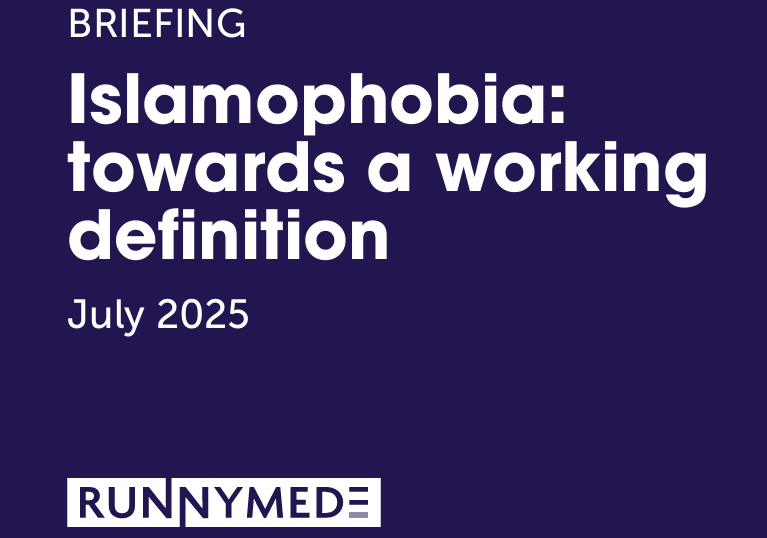
Supporting New Research: MLegal Funds Runnymede Trust’s Report on Islamophobia

Earlier this year, MLegal proudly funded the Runnymede Trust’s report Islamophobia: Towards a Working Definition.   In the report, the Runnymede Trust explains:   “Over the past two decades, our understanding of Islamophobia has evolved significantly. Islamophobia is more than just an irrational fear or hostility towards Islam, as it was initially described in early definitions of the term. It is now widely recognised as a form of racism towards Muslims that is deeply embedded in societal structures and systems of power.   Reflecting on the current context, it is clear that Islamophobia extends beyond overt acts of discrimination or hate crimes. It is institutional, systemic, and often instrumentalised through policy and legislation.”   Building on these insights, we see that Islamophobia can sometimes appear as purely religious or purely racial bigotry. However, in most cases- shaped by colonial legacies and reinforced by media narratives, counter-terrorism frameworks, and institutional practices- it is experienced as a complex intersection of both.   For instance, people with Muslim-sounding names are less likely to be offered job interviews, and Sikhs are often attacked in the streets as “Muslims” despite not being of the Islamic faith. In other words, individuals are targeted based on their perceived or visible Muslimness, not necessarily their belief in or practice of Islam.   This intersectional form of discrimination causes significant harm – through profiling, barriers to education and employment, restricted access to services, and exclusion from full civic participation. Recognising Islamophobia as a form of racism also ensures legal and policy coherence and consistency with other forms of racialised religious bigotry.   This important publication provides a timely and robust framework for understanding Islamophobia and shaping more effective responses across government, civil society, and public institutions.   Read the full Runnymede Trust briefing here.

#Equality

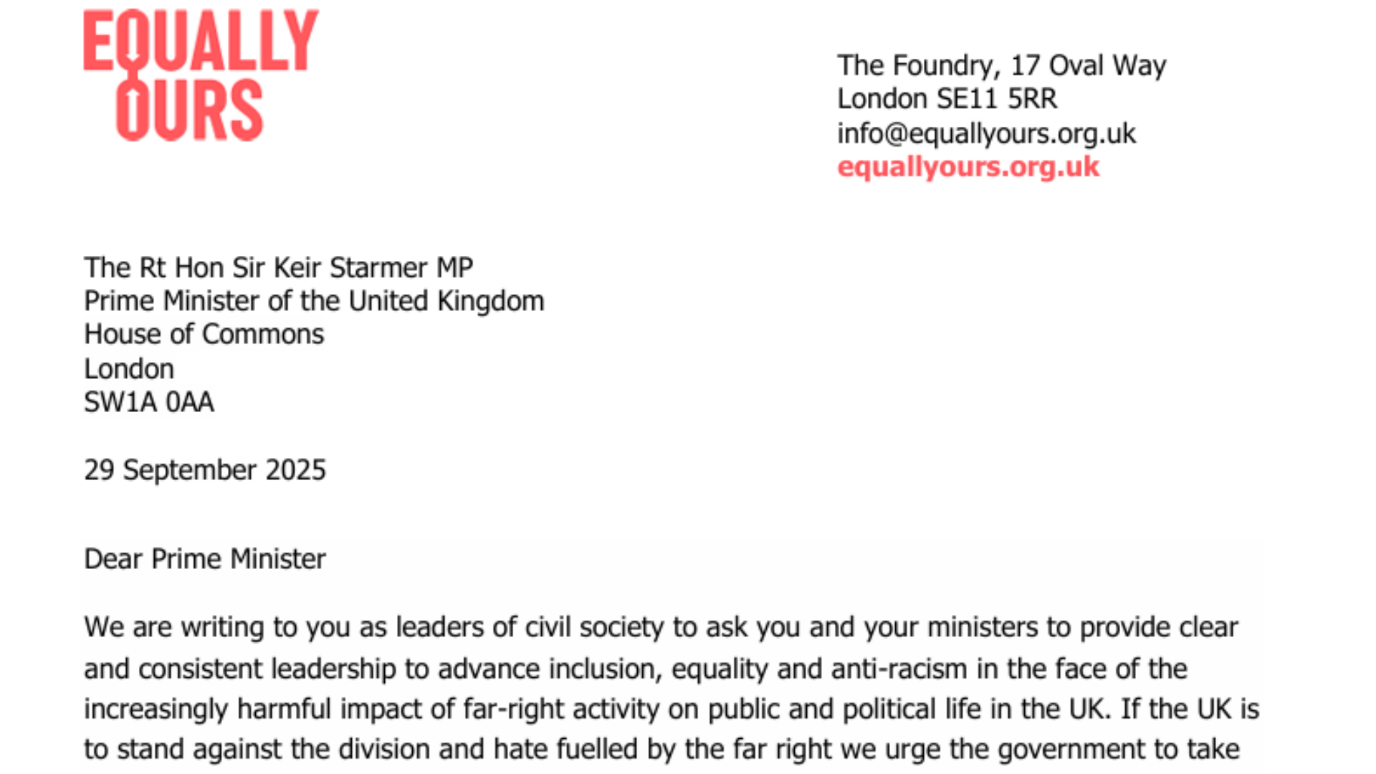
MLegal Joins National Call for Leadership on Anti-Racism and Equality

MLegal is proud to stand alongside Equally Ours and over 160 civil society organisations in urging the Prime Minister and his Cabinet to demonstrate consistent and principled leadership in advancing anti-racism, inclusion, and equality across the UK.   This collective call comes at a time of deep concern following the recent rise in far-right violence and the devastating antisemitic attack at Heaton Park Synagogue. These events are stark reminders that hatred directed at any community threatens the safety and cohesion of all.

#Equality

MLegal Engages Young People in First-Hand Parliamentary Experience

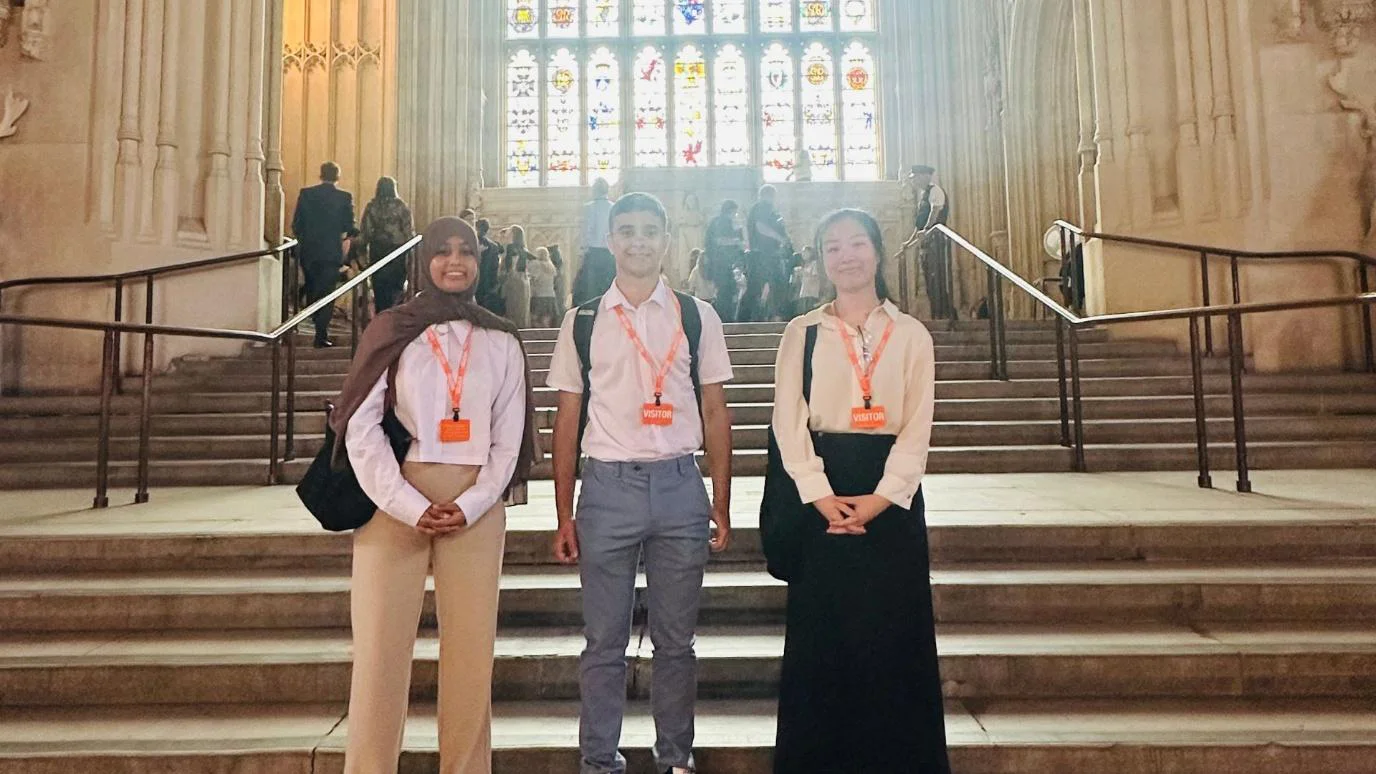
Earlier this year, MLegal proudly facilitated an inspiring visit to the UK Parliament for a group of young people, including our intern Shijing from Queen Mary University of London and work experience candidate Mathew. The visit provided participants with a unique opportunity to deepen their understanding of how Parliament operates and to engage directly with staff working for senior political figures such as Rachel Reeves and Afzal Khan MP.   The day offered valuable insight into the journeys of those who have built careers within Parliament and the wider policymaking arena. Participants learned about the different pathways into political roles, the functions of the House of Commons and House of Lords, and the importance of legal and policy expertise in shaping national debates.

MLegal Launches Graduate Associate Fellowship

MLegal is proud to announce the launch of its new Graduate Associate Fellowship, a programme designed to develop the next generation of Muslim legal thinkers and advocates.   The Fellowship offers graduates from all disciplines the opportunity to gain first-hand experience in legal and policy debates that shape civic life in Britain today. Associates will contribute to MLegal’s work across four key areas: equality, Islamophobia, counter-terrorism, and freedom of expression.   “This programme is about opening doors,” said Sayed Alkadiri, Executive Director of MLegal. “We want to ensure that talented young people have the chance to participate in discussions and research that directly impact their communities and wider society.”   Associates will: Join MLegal’s team discussions and roundtables. Contribute to research, case analysis, and advocacy materials. Receive mentorship from experienced legal and policy practitioners. Gain recognition through published outputs, certificates, and professional references.   The Fellowship is a voluntary role (3–5 hours per week, remote), running on a rolling basis with renewable 3-month terms. It is open to graduates with a strong interest in justice, rights, and equality.   Applications are now open. Interested graduates can apply here: https://form.jotform.com/252593933776371

#Equality#Justice & Accountability#Human Rights#Inclusion

M-Legal Responds to Government’s Equality Law Call for Evidence

M-Legal has submitted detailed evidence to the Government’s Equality Law Call for Evidence, which is examining whether current legislation — particularly the Equality Act 2010 — is fit for purpose in tackling persistent inequalities.   Our submission focuses on where the law fails to fully protect Muslim communities, particularly in areas such as equal pay, harassment protections, and intersectional discrimination. Drawing on our legal expertise, case law, and engagement with affected communities, we highlight specific provisions in the Equality Act that result in unequal treatment and propose practical reforms to close these gaps.   Our Position   The Equality Act 2010 was intended to harmonise protections across protected characteristics. However, it does not provide equivalent protection for Muslims as it does for other ethno-religious groups, such as Jews and Sikhs, despite the well documented reality of racialised religious bigotry faced by Muslims.   This exclusion is most visible in:   The omission of multi-ethnic religious groups like Muslims from the statutory definition of race under s9 Equality Act. The absence of equal pay provisions for religion or belief, leaving Muslim workers without the same pay transparency or remedies available for gender, race, or disability. Gaps in harassment protections for religion in key areas of public life, including service provision, education, and public functions. The lack of a legal route to bring combined discrimination claims, meaning that intersecting prejudice — for example, against Muslim women — is not properly recognised or addressed.   Why This Matters   Muslim workers, particularly Muslim women, face some of the largest pay gaps and employment penalties in the UK. Government statistics and independent research show that:   Muslim men and women earn significantly less than White Christian counterparts, even after accounting for education, occupation, and region. Muslim women face compounded disadvantage due to gendered Islamophobia, with evidence of bias at recruitment, progression, and pay negotiation stages. Overrepresentation of Muslims in outsourced, insecure, and subcontracted roles limits access to equal pay comparisons, making it harder to challenge disparities.   Without reform, these patterns will remain embedded, and the Equality Act will continue to deliver unequal protection for equal harms.

#Equality#Inclusion#Human Rights#Justice & Accountability

M-Legal Submits Evidence to Parliamentary Inquiry on Gendered Islamophobia

M-Legal has submitted written evidence to the Women and Equalities Committee for its one-off inquiry into gendered Islamophobia. The inquiry examines the specific challenges facing Muslim women in the UK, including barriers to reporting, the difficulties in agreeing a definition of Islamophobia, and how gendered prejudice can be effectively challenged.   Our evidence is grounded in legal and policy analysis, engagement with Muslim women and community organisations, and international best practice. It sets out how gendered Islamophobia is shaped by the intersection of faith, race, and gender, and the compounded impact this has on safety, equality, and participation in public life.   Our Position   We define gendered Islamophobia within the same overarching framework as Islamophobia more broadly — religious bigotry, racial bigotry, or a combination of both — racialised religious bigotry — with gender acting as a compounding factor.   It manifests across three domains:   Othering – negative stereotyping and narratives about Muslim women’s identity, autonomy, and role in society, often perpetuated in public discourse and media. Discrimination – structural and institutional barriers in employment, housing, public services, and civic participation. Hostility – verbal abuse, harassment, and physical violence, disproportionately affecting visibly Muslim women, particularly those wearing hijab or niqab.   Why This Matters   Gendered Islamophobia is persistently underreported, due to:   Low trust in reporting mechanisms and public institutions. Lack of confidence in achieving redress. The normalisation of prejudice and stereotyping in public and media narratives.   We also highlight significant gaps in equalities law — particularly the weaker harassment protections for religion in the Equality Act 2010 compared to race — leaving Muslim women without the same legal safeguards as other racialised religious groups. These gaps have real-world consequences for dignity, safety, and equal access to opportunities.

Phone

012345 798090

Email

enquiries@m-legal.org